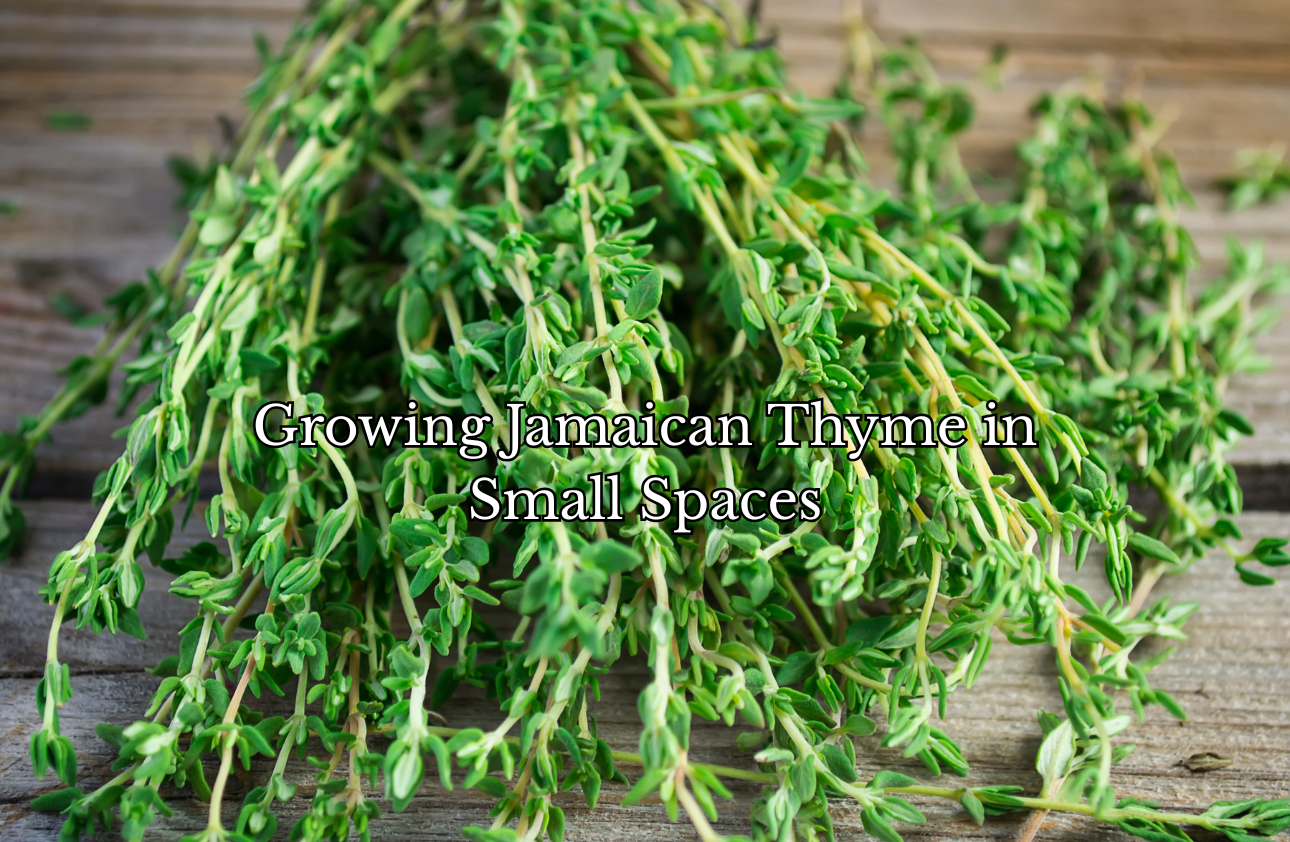
Thyme for Tea: Growing Jamaican Thyme in Small Spaces
Thyme has become one of my most-reached-for herbs, both in the kitchen and in my personal wellness routine. This week, I’m studying Jamaican thyme as part of my Plant of the Week series, a small but steady presence in my container garden and in my daily rituals.
I am still new to gardening, so this plant study is less about perfection and more about learning through observation, patience, and practice.
In This Blog Post
Growing Thyme: What I’m Learning
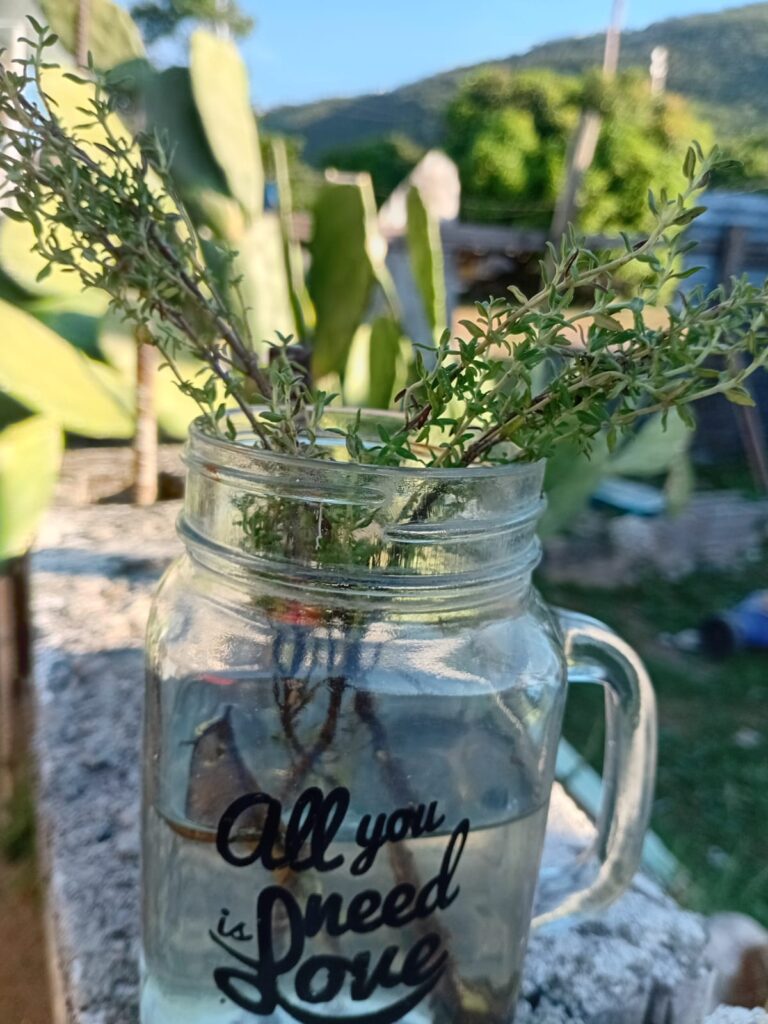
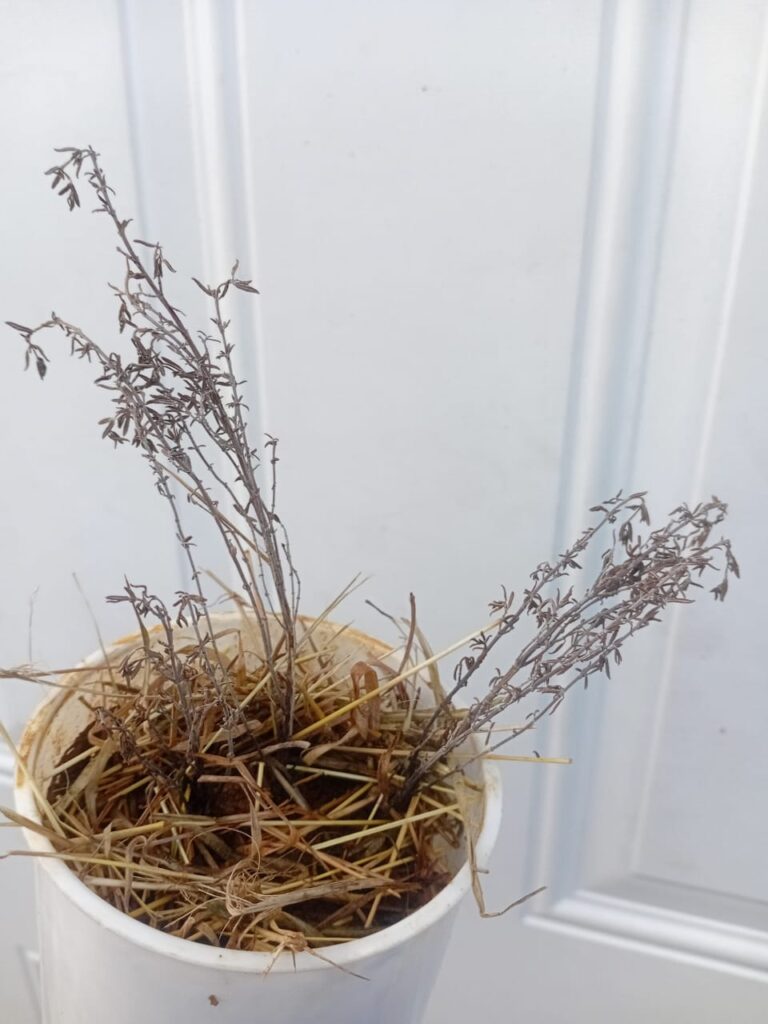
I bought thyme cuttings about two weeks ago. They didn’t have roots, which I later learned is very common. In fact, I had never even seen thyme roots before this; it was all new territory for me.
I stripped the leaves about three inches up the stems and placed them in water, hoping they would root. For those first few days, I watched closely, checking for any sign of change. There’s something quietly hopeful about waiting for roots to appear, knowing they are forming beneath the surface, even when you can’t see them yet.
After observing them for about two weeks, I made the decision to transfer the cuttings into a small pot with soil. I wasn’t entirely sure if it was the right time, but the cuttings seemed stable, and I trusted my instinct. I plan to eventually separate them into individual pots once the roots strengthen, ideally, three separate plants, so I can have more thyme growing at once.
So far, I have learned that thyme prefers well-draining soil, good airflow, plenty of sunlight, and minimal overwatering. Because I am still learning, I’m taking things slowly and watching closely. Right now, I’m observing how the plant responds to soil after rooting in water, and how it adapts to container growing in my small space.
Why Fine Leaf Thyme?
I have also learned that there are several varieties of thyme: French thyme, lemon thyme, creeping thyme, and the broader-leaved type often called Jamaican thyme or Cuban oregano. The variety I am growing has fine, delicate leaves, much smaller and more needle-like than the fleshier, broad-leaved varieties.
Fine leaf thyme has a classic thyme flavor, earthy, slightly peppery, and warming, but it’s a bit more delicate in appearance. I reach for this variety most often in my cooking and tea because it’s versatile and has that distinctive aroma I love.
It is commonly used in Caribbean cooking alongside the broader-leaved varieties, and I appreciate how it works in everything from tea to seasoning rice to soups. Choosing to grow fine leaf thyme was about bringing the herbs I grew up around into my own small garden – learning to nurture what I have always relied on.
Traditional Uses & What Draws Me to Thyme
Thyme has been used traditionally for supporting digestion, making herbal teas, adding flavor and aroma to meals, and supporting respiratory wellness. In folk medicine, it’s also been valued for digestive support and even as a natural remedy for parasites, though I approach these uses from a place of curiosity and personal exploration, not medical advice.
It contains natural compounds like thymol, along with vitamins C and A, manganese, and iron, which give it that distinctive scent and many of its wellness associations. I’ve read that thymol is what gives thyme much of its antimicrobial and aromatic properties, though I’m still learning about all of this as I go.
For me, thyme has become something I reach for instinctively, both for flavor and comfort.
A Personal Moment: Sniffles & Simple Remedies
Last weekend, I had the sniffles and a slight cough, so I reached for something familiar: my scallion and thyme tea.
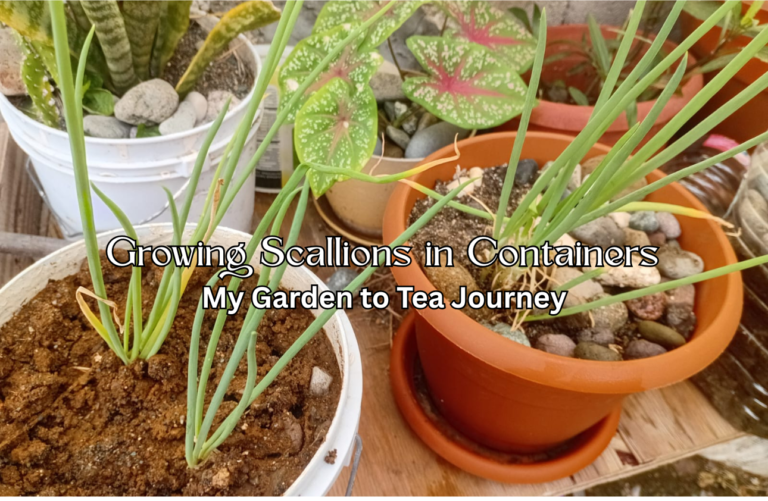
I used thyme that I bought (since I’ve only recently planted mine) and scallions from my garden, keeping things simple and close to home. I boiled the water, added the herbs, and let them steep until the kitchen smelled warm and herbal. It was comforting in the way that slow, intentional rituals often are.
This isn’t medical advice, it’s just what I do in my own wellness practice. A warm mug, a quiet moment, and ingredients I trust. The tea itself was earthy and grounding, with just a bit of sharpness from the scallion. It didn’t fix everything, but it felt like care. It felt like paying attention.
It reminded me why I enjoy growing the herbs I use regularly. There’s something deeply satisfying about reaching for something you have nurtured yourself, or in this case, are learning to nurture.
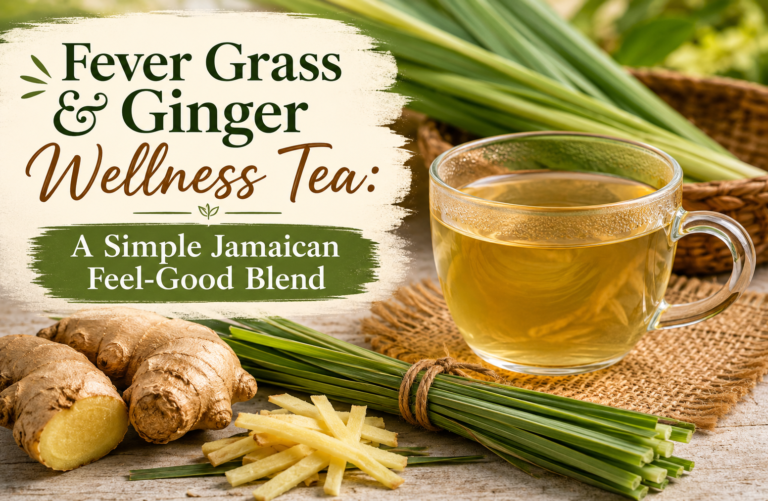
If you are curious, I’ve shared the simple tea recipe I use as a free resource – 30 Healing Herb Tea Recipes and How to Brew Them. You can grab it through this link if you would like to try it in your own routine.
Small-Space Solution: A Crochet Plant Hanger for Thyme
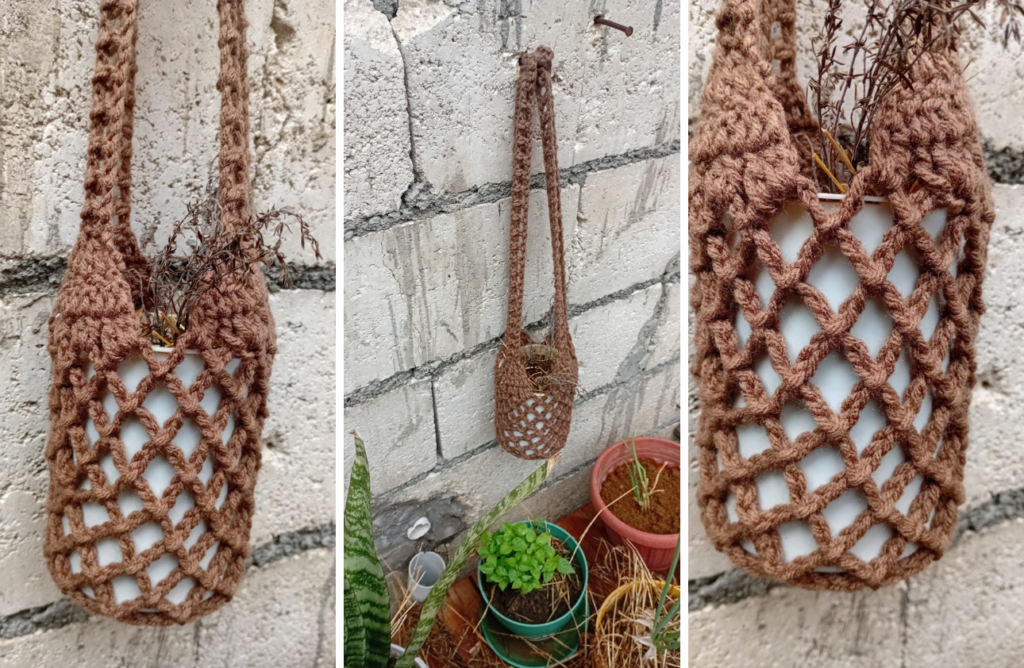
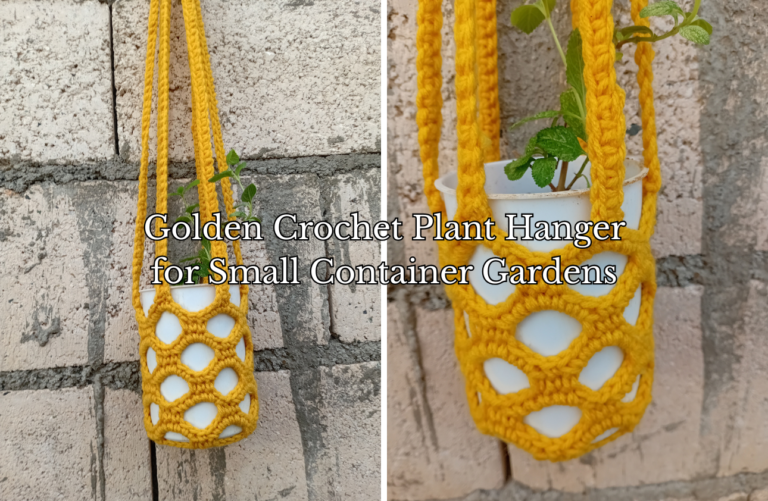
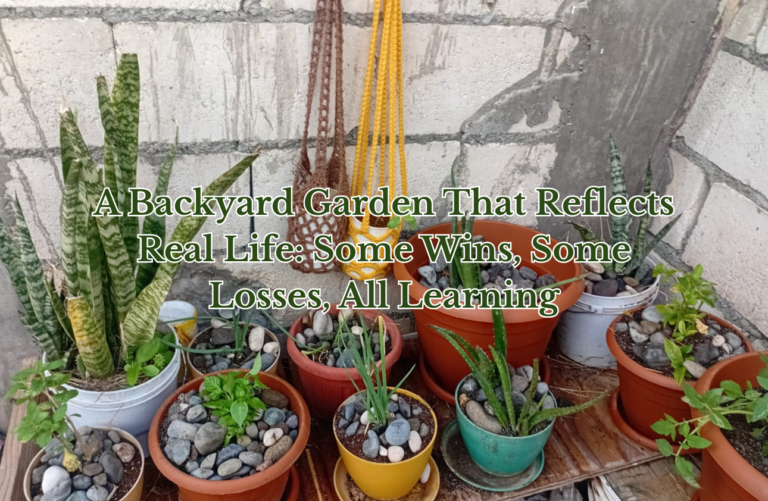
Because I don’t have much space, I created a crochet plant hanger this week specifically for my thyme. Hanging the plant allows me to keep it close to my other plants while maximizing vertical space – something essential when you’re gardening on a balcony or in a small corner.
The process of making the hanger was short but meditative in its own way. I chose an earthy brown yarn because it’s one of my favorite colors and it complements the natural tones in my garden. There’s something satisfying about creating something functional with your hands, something that holds life and beauty in equal measure.
This hanging style can be made in different sizes to suit small gardens, balconies, or indoor spaces. It’s one of the ways I problem-solve for my limitations, turning a small space into something that works for me rather than against me. 👉 You can see more of my crochet work at @crochetbyqueengee.
Documenting the Journey
Part of why I do these plant studies is to document my own learning. Yes, I’m preparing content for my blog, email newsletter, and social media, but more than that, I’m building a record of what I have tried, what I’ve learned, and how I’ve grown (literally and figuratively).
This isn’t about being an expert. It’s about showing up, observing, and sharing the process as it unfolds. If someone else learns something along the way, that’s a bonus. But really, this is me learning and boosting my wellness in real time, one plant, one week at a time.
Final Thoughts
This week reminded me that learning takes time. Gardening, like life, requires patience, observation, and trust in the process. I will continue watching how this thyme grows and learning as I go, one small pot, one crochet plant hanger, one quiet cup of tea at a time.
There’s no rush. Just roots forming slowly beneath the surface, leaves reaching toward the light, and me, watching, waiting, and grateful for the small things that grow.

One Comment