Aloe Vera: Self-Care Lessons for the Confident 50+ Queen
As a woman in my 50s, self-care has shifted from chasing results to embracing maintenance, presence, and deep listening. This week, I am studying Aloe vera (Aloe barbadensis miller), a plant I have relied on for years for hair and skin care, but only recently began growing myself.
When my neighbour (who knows I have started backyard gardening) gifted me two small aloe plants, the timing felt intentional. Aloe is a succulent that stores what it needs, grows at its own pace, and heals without urgency – lessons that resonate deeply in this season of my life.
Table of Contents
How Aloe Vera Grows in Pots
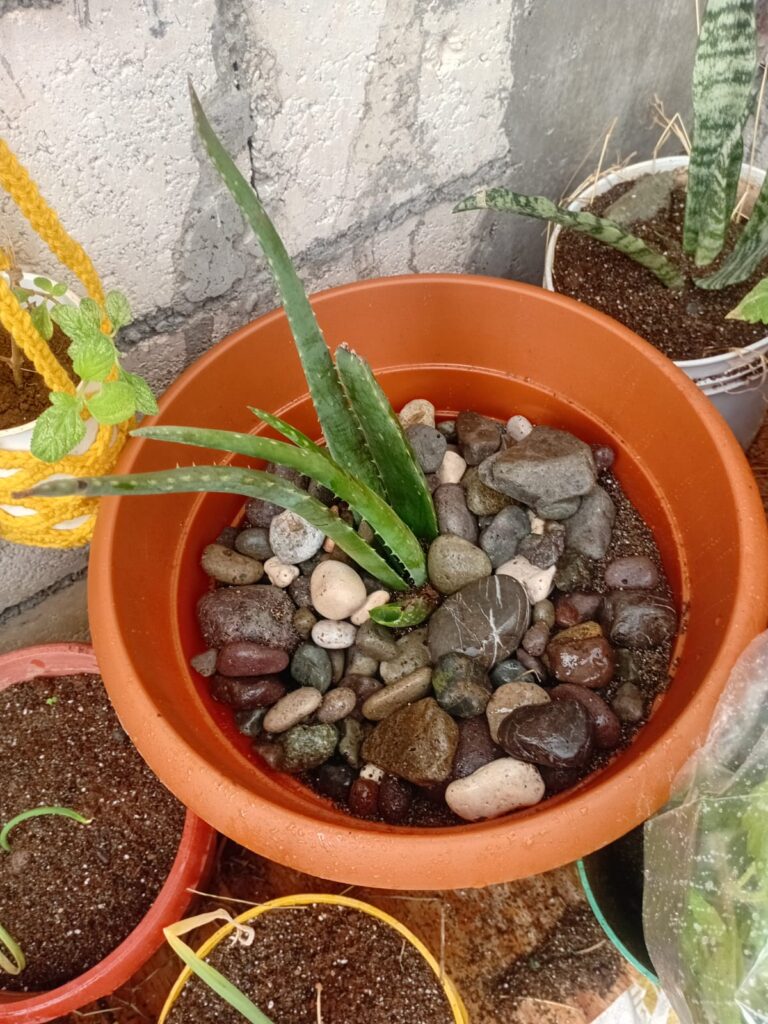
Aloe vera thrives in containers, often better than in the ground, because pots offer the drainage and control this plant craves. As a succulent, aloe stores water in its thick leaves, which means it needs to dry out completely between waterings.
I planted my aloe in small pots (about 8–10 inches in diameter) with drainage holes, using a mix of regular potting soil and sand for better drainage. They are positioned where they receive bright, indirect light – morning sun is ideal, but I protect them from harsh afternoon rays that can stress the leaves.
What I am learning is restraint. Aloe doesn’t reward constant checking or over-watering. In fact, the firmness of its leaves tells me it’s doing exactly what it needs to do, storing, waiting, trusting its own timing. My role isn’t to push growth, but to create the right conditions and then step back.
Key growing notes:
- Water only when the soil is completely dry (usually every 10-14 days)
- Watch for signs: firm, plump leaves mean healthy hydration
- Soft, drooping, or translucent leaves signal overwatering
- Brown tips can be trimmed for appearance without harming the plant
Since my plants are recently separated offsets (pups), they are in a sensitive but resilient stage. They need time to settle, minimal handling, and light consistency, not perfection.
How I Use Aloe Vera for Self-Care
Aloe has been woven into my wellness routine for years. In my 50s, I reach for it when my scalp needs soothing, when my skin feels dry, or when my body asks for something cooling and restorative.
This week, I am using fresh aloe gel in simple, familiar ways:
- Direct scalp massage for hair health
- Cooling relief on hands and elbows
- Gentle skin care after sun exposure
- During my pedicure, as a foot soak
The ritual is straightforward: I cut only one outer leaf, use it fresh, and refrigerate any extra gel for 1-2 days. For my pedicure, I blend fresh aloe gel with warm water for a soothing foot soak that softens and cools tired feet, a simple act of care that feels both restorative and grounding. There’s something deeply satisfying about sourcing care directly from a plant I am growing myself, even in a small container.
Aloe’s wellness profile includes vitamins A, C, and E (skin-supportive antioxidants), enzymes that aid digestion, and polysaccharides linked to immune support. While I primarily use it externally, it’s worth noting that internal use should be limited and avoided by pregnant persons or those with kidney concerns.
Self-care in this season is about support, not correction. Aloe fits that philosophy perfectly; it heals without force, simply offering cool, steady care.
Aloe Vera in Small Spaces
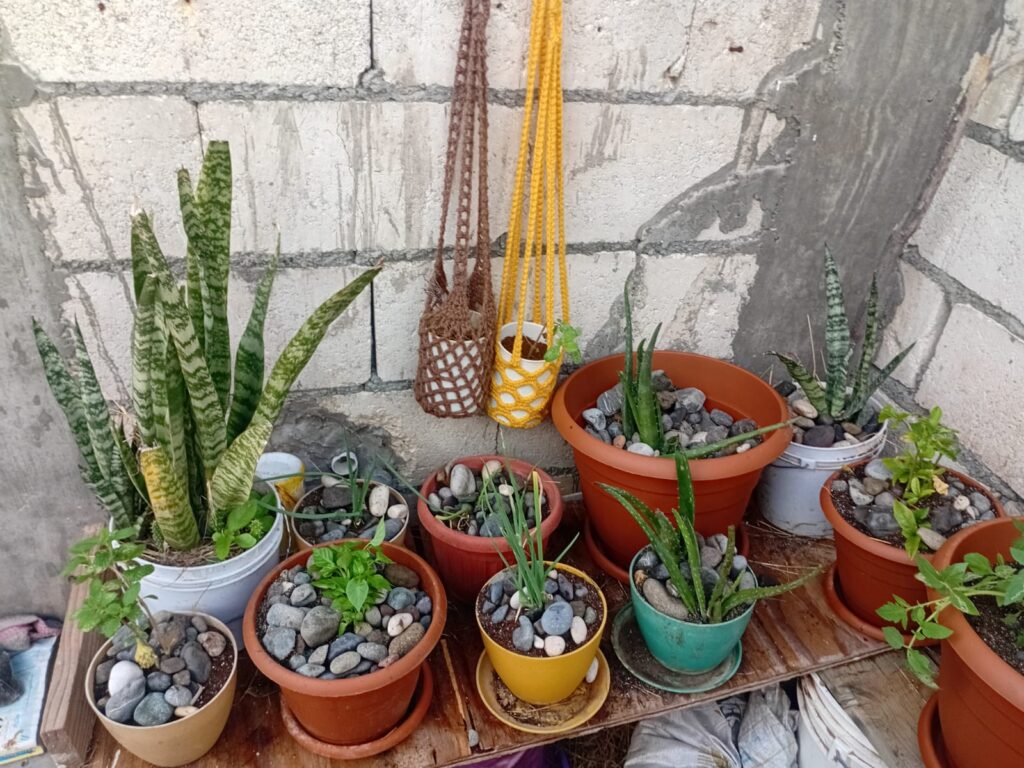
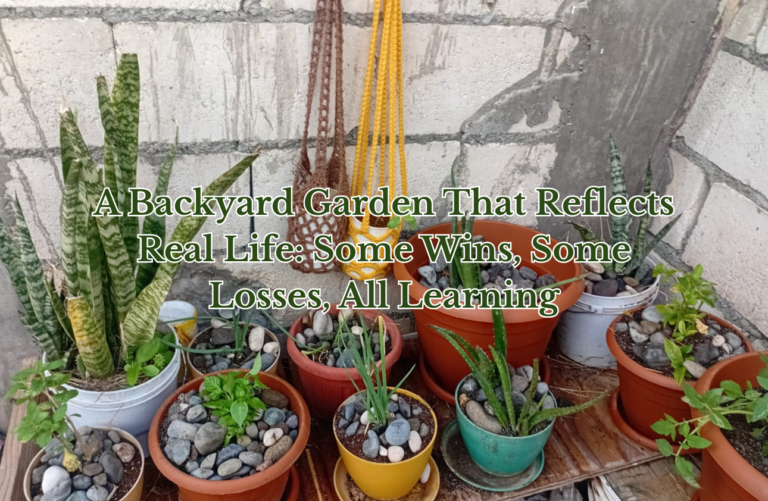
A sneak peek of my little container garden, where my Aloe Vera plants found their home
As a Confident 50+ Queen living intentionally, I value spaces that feel calm and functional. Aloe doesn’t demand much room, which makes it ideal for container gardening, whether you are working with a small balcony, a windowsill, or limited indoor space.
While I grow my aloe outdoors in pots, the beauty of this plant is its adaptability. For those with smaller living areas, aloe thrives when placed thoughtfully. Vertical solutions like short plant hangers near bright windows or on small shelves can offer several practical benefits:
- Improves light access without taking up valuable surface space
- Protects the plant from accidental bumps or spills
- Keeps your space visually uncluttered
- Allows better airflow around the pot, which helps prevent moisture issues
Aloe’s shallow root system and stable growth habit make it well-suited for this approach, as long as the hanger is short and the pot is secure.
If you’re looking for handmade plant hangers designed specifically for succulents and small-space living, I create functional crochet hangers. You can view my creations at @crochetbyqueengee on Instagram. Each piece is made with stability and plant care in mind, not just aesthetics.
You don’t need a garden or even an outdoor space to grow what heals you. One small pot, one bright spot, and the patience to let aloe do what it does best, that’s enough.
Reflection for This Season
Aloe vera grows slowly. It stores water for dry times. It heals quietly while protecting itself with firm, pointed leaves.
As a woman in my 50s, I am learning that confidence looks a lot like this: knowing when to act and when to leave things alone. Not everything needs intervention. Not every moment requires improvement. Some of the most meaningful growth happens in small containers, with patient hands and the willingness to simply begin.
Each time I pass my aloe plant, I’m reminded: healing doesn’t need heat or urgency. It needs a cool, steady presence. And that’s something I am learning to offer myself, one quiet day at a time.
Growing aloe vera in Jamaica’s warm climate is surprisingly forgiving. With bright light, well-draining soil, and the discipline to water less rather than more, this plant becomes both teacher and companion, offering lessons in restraint, self-reliance, and the quiet power of showing up consistently.

2 Comments