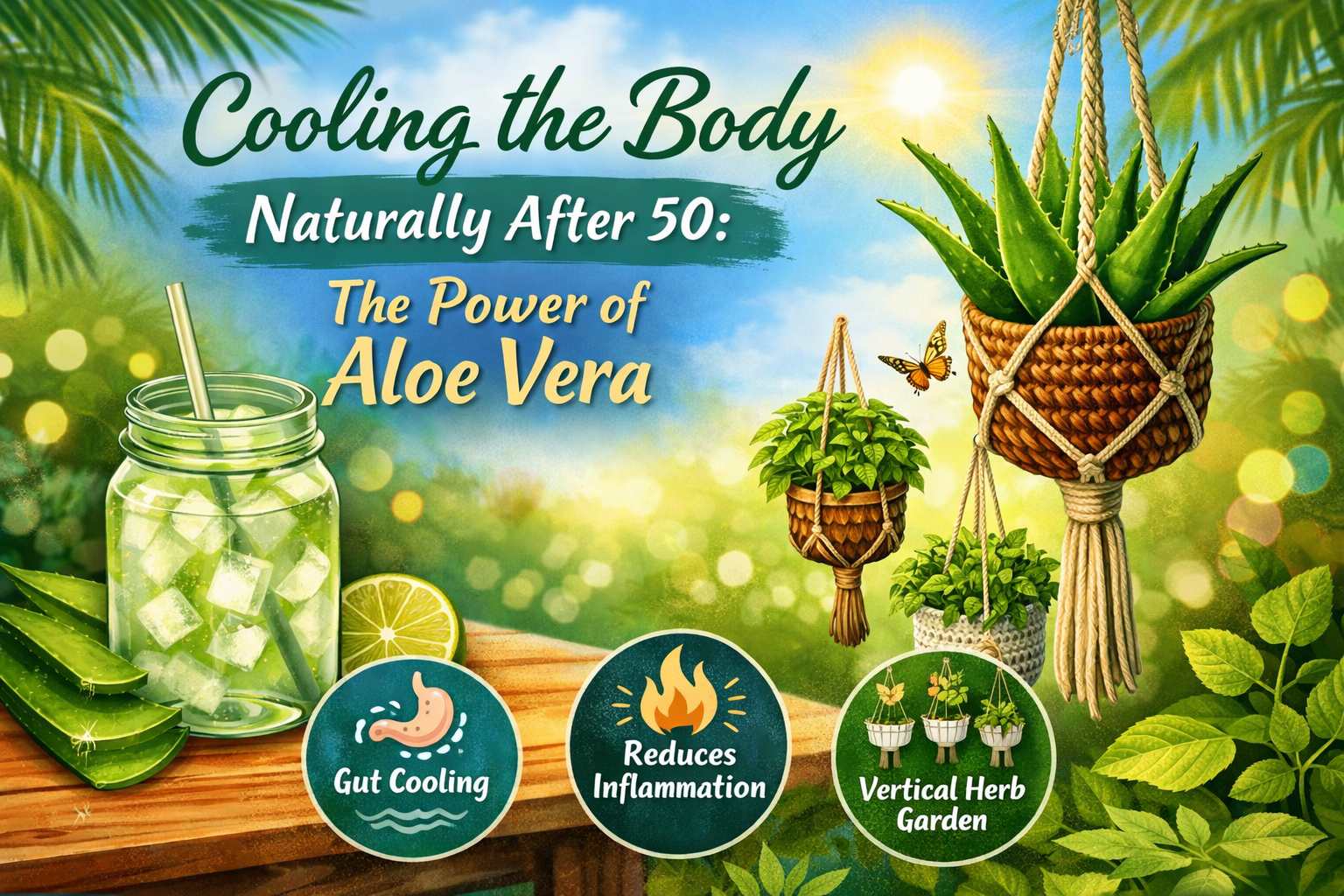
Cooling the Body Naturally After 50: The Power of Aloe Vera
If you are over 50 and living in the tropics, you already know the feeling. It is not just the Jamaican sun beating down on your back. It is something deeper, a warmth that rises from the inside out, a low-grade internal fire that no amount of cold water seems to fully put out.
Cooling the body naturally after 50 isn’t just about a cold drink; it’s about reducing internal inflammation. And the sooner we understand that distinction, the sooner we can start building daily rituals that actually work. Rituals rooted not in pharmacy shelves, but in the living green things we can grow with our own hands.
Table of Contents
The “Heat” We Feel After 50 – And Why It’s Different
Let me say this plainly: what you are feeling is real. It is not a weakness. It is not paranoia. It is biology. After 50, our metabolism shifts in ways that can leave us running hotter, more inflamed, and more sensitive to temperature than we were in our younger years.
For women, the hormonal transitions of perimenopause and menopause directly affect the body’s thermostat, causing those infamous hot flashes and night sweats. But even for men, midlife brings metabolic changes, slower cell turnover, increased systemic inflammation, and a digestive system that is simply less forgiving than it once was.
The result is a body that feels perpetually overheated, even when the thermometer says otherwise. Joints ache more. Digestion slows. Sleep becomes restless. The gut feels bloated and heavy. This is the internal landscape that many of us are quietly managing every single day, often without anyone naming it for what it is: inflammation.
The good news is that nature, specifically the plant kingdom, has been addressing this kind of internal heat for thousands of years. Long before pharmaceutical anti-inflammatories existed, our grandmothers and great-grandmothers were turning to plants. And one plant, in particular, has stood the test of time with remarkable staying power: Aloe vera.
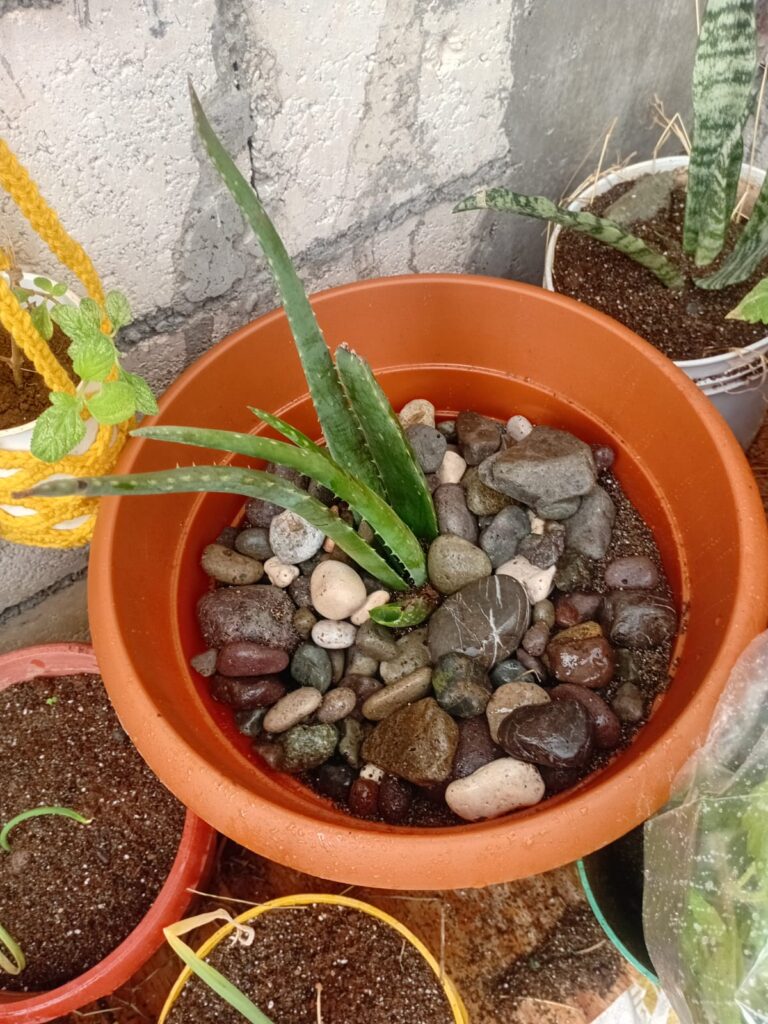
My Morning Ritual: Cooling the Body Naturally After 50 with Aloe Infused Water
I want to share something personal here, not as a prescription, but as an invitation. Some mornings, before anything else, I walk out to my container garden, and I harvest a single leaf from my aloe plant. It is a quiet ritual, and it has changed the way I begin some days.
Here is how I do it. I select one mature, thick leaf from the outer base of the plant; these are the oldest leaves and the most gel-rich. I cut it close to the stem with a clean knife and immediately stand it upright, cut end down, in a glass for about ten minutes. This step is important: it allows the yellow latex, sometimes called the yellow sap, to drain away. That latex, called aloin, is a powerful laxative and can cause stomach cramping if consumed in large amounts. You want to drain it off completely before using the inner gel.
Once the leaf has drained, I rinse it under cool filtered water, then carefully slice away the green skin on both sides to reveal the clear, shimmering inner gel. I scoop that gel into my blender, add about two cups of filtered water, and blend until smooth. The result is a lightly viscous, almost silky drink that I sip slowly over the first hour of my morning.
The taste is mild, slightly grassy, but the feeling is what keeps me coming back. Within thirty minutes, I notice a softening in my gut. The bloating that often greets me in the morning begins to ease. There is a cooling sensation that I can only describe as internal, like the inflammation is being gently quieted. This is what traditional wisdom and researchers call a “gut-cooling” practice.
Aloe vera contains compounds notably acemannan, a polysaccharide that helps soothe the lining of the digestive tract, reduce gut inflammation, and support the microbiome. For those of us over 50, whose gut lining becomes more permeable and reactive with age, this is deeply meaningful medicine. And it is medicine I grow myself, ten steps from my back door.
No Space? No Problem: Vertical Gardening as Your Home Pharmacy
Now, here is where I want to talk practically, because I know many of you are working with small spaces, a balcony, a narrow backyard, a sunny corner of a veranda. The most common question I get is: “Where do I even put an aloe plant?”
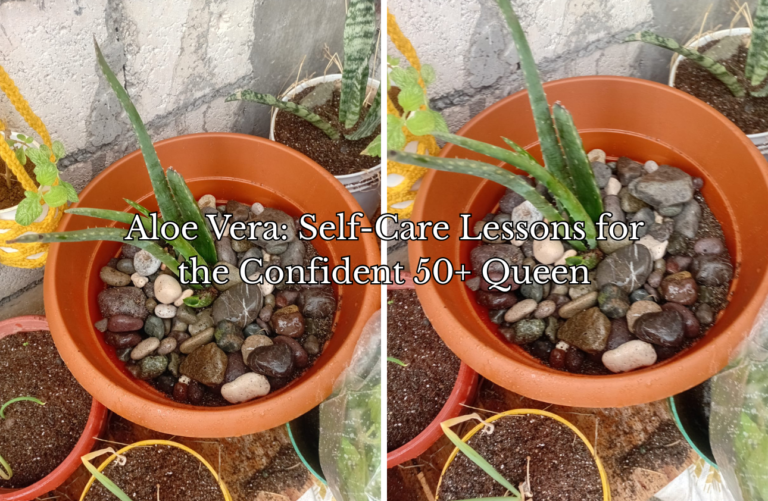
Aloe vera is a succulent, which means it stores water in its thick, fleshy leaves. Those leaves are heavy. A mature aloe plant in a pot can be surprisingly weighty, and it needs three things above all else: good drainage, plenty of bright light, and airflow around the pot. If you set it on the ground in a crowded garden bed, it gets lost. It becomes awkward to harvest from. And worse, poor drainage at ground level can lead to root rot.
This is exactly why I grow mine in my Large Crochet Plant Hanger.
By suspending my aloe at eye level, I solved every one of those problems at once. The hanger allows air to circulate freely around the pot. Gravity assists with drainage. And because the plant is right in front of me, at eye level, accessible without bending, harvesting a single leaf in the mornings takes less than a minute. No crouching, no searching through a crowded garden bed, no wasted time. It is a small design choice that makes a health ritual feel effortless and sustainable.
In my small backyard, this vertical approach has been transformative. I am turning an empty wall and overhead space into a living, functional herb pharmacy. Each plant hangs at the perfect height for its purpose, and together they will form a system that supports my body.
The Vertical Herb Pharmacy: Starting with the Star
Once I started thinking vertically, I could not stop at one plant. A true cooling and wellness practice needs layers: something to cool, something to digest, and something to oxygenate the space you live in. Over time, I have been building toward that vision, but every pharmacy needs cornerstones, and one of mine is the aloe vera.
The Large Hanger – For Aloe Vera (The Coolant)
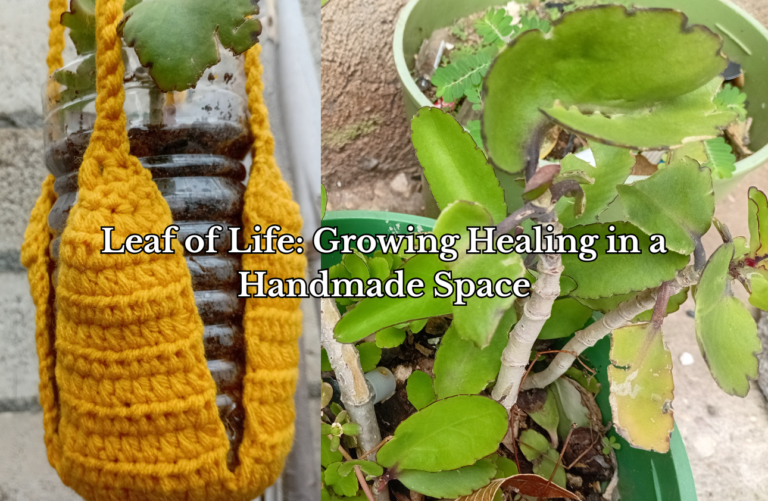
Aloe is a heavy, water-rich plant, and it deserves a home that honours that. I grow mine in a one-litre plastic bottle, a simple, low-cost container that gives the roots just enough room while keeping the setup lightweight and manageable. The real magic is in pairing that bottle with a Large Crochet Plant Hanger that I made.
Suspended at eye level, my aloe gets the strong light it needs, the airflow that keeps its roots healthy, and most practically, it is right there every morning when I am ready to harvest. No bending, no searching, no fuss. Just one clean cut and I am on my way to my daily aloe water ritual.
This is your cornerstone cooling plant. Your anti-inflammatory anchor. And in a hand-crocheted hanger, it is also simply beautiful, proof that functional wellness and good design can occupy the same space.
Ready to Build Yours?
I hand-make all of my plant hangers here in Jamaica using durable acrylic yarn. Each one is designed with both aesthetics and function in mind because a wellness tool should also be beautiful.
If you are starting where I started, with one aloe plant and one good hanger, the large Crochet Plant Hanger is all you need. At J$3,500, it gives your aloe the stable, well-lit, well-ventilated home it deserves, and it will be the first piece of a living pharmacy you can grow over time.
Already thinking ahead?
If you are ready to set up the full three-plant system, my 3-Piece Starter Bundle brings all three large hangers together for J$9,660. Everything you need to build your “Lived Medicine” corner, even in the smallest space.
Whether you are starting with one plant or three, if you are ready to start cooling your body from the inside out, naturally, sustainably, and with the quiet power of plants, I would love to help you get started.
I have put together a Digital Catalog showing all sizes and prices of the hangers I hand-make here in Jamaica.
These statements are based on personal experience and general wellness knowledge. Please consult a qualified healthcare provider before making significant changes to your health routine, especially if you are managing a chronic condition or taking medication.