Growing Scallions in Containers: My Garden to Tea Journey
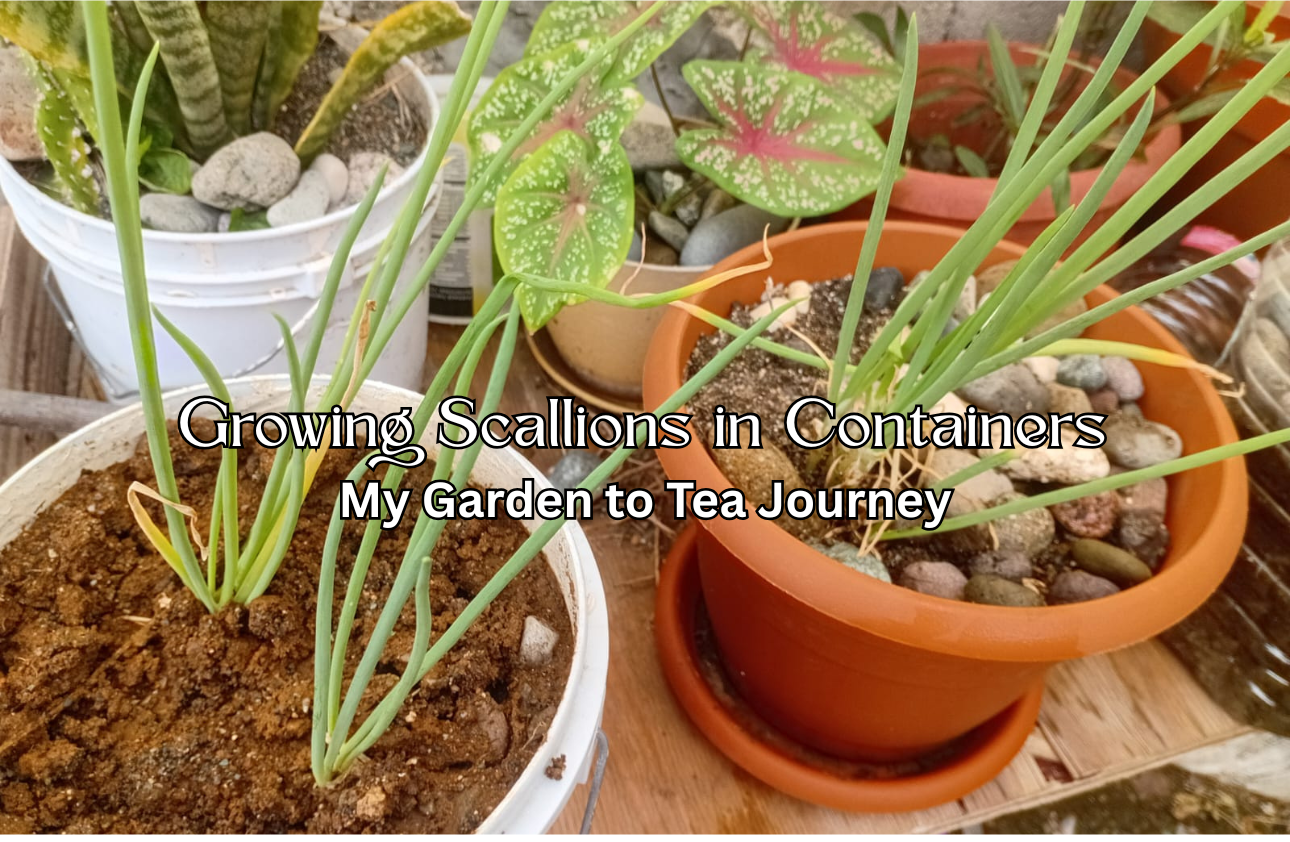
I have been growing scallions in containers for a while now, and what started as three small pots has quietly become one of the most useful corners of my container garden. Recently, I gave one pot to my neighbour, because that is the thing about growing your own herbs. When you have enough, sharing comes naturally. I kept two pots for myself, and I have been harvesting from both: some for my tea, and some went straight into my meals. This is what intentional growing looks like in a small Kingston space.
If you have ever wanted to grow scallions in containers but did not know where to start, I want to tell you exactly how I do it, including the simple jar method I use to get strong roots before the cuttings ever touch soil. And because this plant earns its place in my garden on health grounds as much as culinary ones, I am going to walk you through why scallions deserve a permanent spot in your wellness rotation too.
In This Article:
What Is Scallion and Why I Grow It
Scallion, also called green onion or spring onion, depending on where you are from, is a member of the Allium family, which includes garlic, onion, and leeks. In Jamaica, most of us grew up with it in the kitchen without thinking much about it as a wellness plant.
Scientifically known as Allium fistulosum, scallion has been used in traditional medicine for centuries across cultures for colds, congestion, digestive complaints, sore throats, and general immune support. That long history of use is no coincidence. There is real nutritional weight behind it, which I will get to shortly.
For me, growing it at home means I always have a fresh supply without having to depend on the market. It is low maintenance, it thrives in containers, and it keeps giving back every time you harvest from it. That is the kind of plant that earns permanent space in a small garden.
How I Grow Scallions in Containers – The Jar Method
This is the part I love sharing because it is so simple and so satisfying to watch.
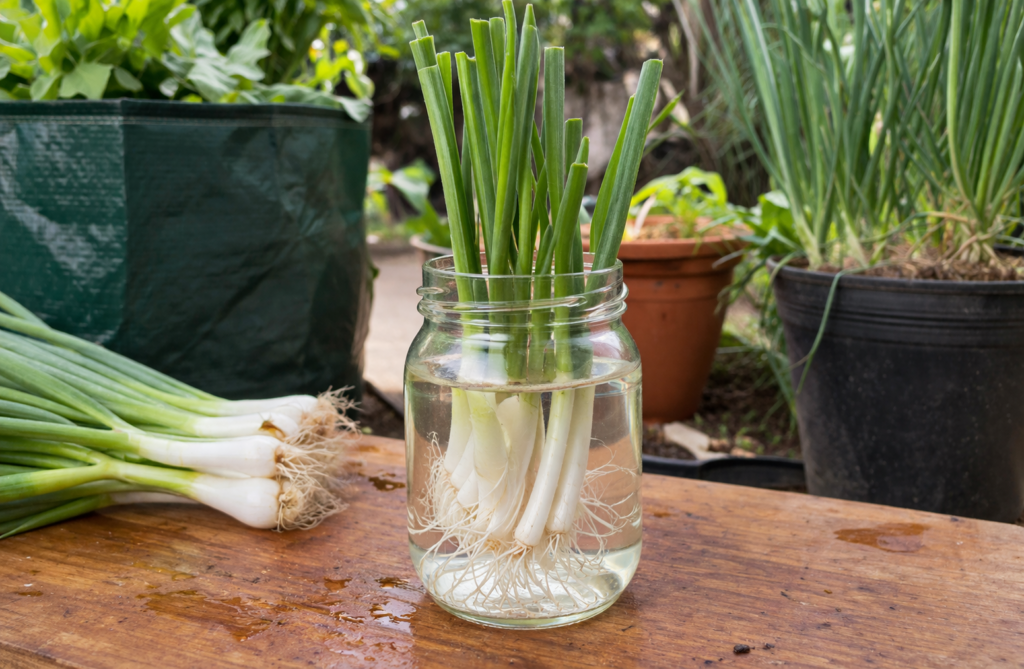
I do not start my scallions from seed. I start them from cuttings – the bottom white part of a scallion that you would normally trim and throw away. Instead of discarding it, I place those cuttings in a glass jar with just enough water to cover the white root end, and I leave them on a surface where they get indirect light.
Within a few days, you will see green shoots pushing upward. Within a week or two, strong white roots begin growing downward into the water. That is when I know they are ready.
Once the roots are well-established, firm, white, and at least an inch or two long, I transfer the cuttings into pots filled with good potting mix. I plant them snugly, water them in, and within days, they are settling into their new home and growing steadily.
A few things I have learned doing it this way:
Change the water every couple of days while they are in the jar. Stale water slows root development and can introduce bacteria. Fresh water keeps things clean and moving.
When you transfer to pots, do not bury them too deep. The white base needs to be just below the soil surface, not buried several inches down. Scallions grow upward and want space to do that freely.
I keep my pots in a spot that gets morning light and some afternoon shade. Kingston heat can be intense, and direct afternoon sun in the dry season will stress the plants. Morning light with some protection later in the day has worked well for me.
Harvest by cutting the green tops, not pulling the whole plant. If you cut and leave the white base in the soil, it will regrow. I have harvested from the same plants multiple times before eventually replacing them. That is the gift of this plant: it keeps giving.
The Health Benefits of Scallion
This is where scallion moves from kitchen ingredient to wellness plant. Here is what it brings to the body and why it earns a place in my herbal rotation alongside guinea hen weed, green mint, and aloe vera.
Immune Support: Scallion is a good source of vitamin C and a flavonoid called quercetin, both of which strengthen the immune system and help the body fight illness. A cup of scallions can go a significant way toward meeting your daily vitamin C requirement. For me, this is reason enough to add it to my tea regularly, especially during the rainy season when colds and respiratory issues tend to circulate.
Respiratory and Cold Relief: This is the traditional use most Jamaicans already know intuitively, scallion for colds and congestion. Traditionally, it has been used to treat coughs, sore throats, sinus congestion, and flu symptoms. The warming compounds in the plant help clear the airways and support the body in moving through illness. When I feel congestion coming on, scallion tea is one of my first responses.
Digestive Health: Scallions contain dietary fibre, which supports healthy bowel movement and overall gut function. It has also been used traditionally to relieve indigestion and constipation. For anyone working on gut health, which is foundational to almost everything else in the body, this is a quiet but consistent ally.
Heart and Blood Pressure Support: Scallion is high in potassium, which supports normal blood pressure and healthy cardiac function. The flavonoids in the plant, particularly quercetin, have been studied for their role in reducing high blood pressure. The sulphur compounds in scallion also help to lower bad LDL cholesterol and reduce fat deposition in the liver, all of which contribute to long-term heart health.
Bone Health: Scallion is one of the richest plant sources of vitamin K, a nutrient that activates the proteins involved in bone formation. Low vitamin K is associated with reduced bone density over time. This is one of those quiet, long-game benefits that most people do not associate with a simple herb growing in a pot on a table.
Liver Protection: The antioxidants in scallions protect the liver from free radical damage and help reduce inflammation. Research has observed that regular consumption can support overall liver health, which is significant, given how much the liver processes daily.
Blood Sugar Regulation: Scallion works against an enzyme that converts carbohydrates into simple sugars during digestion, which helps slow glucose absorption and prevent sharp blood sugar spikes after meals. For anyone managing blood sugar or simply wanting to keep it stable, this is a meaningful benefit.
How I Use Scallion in My Wellness Routine
I use scallions in two main ways: in my tea and in my cooking.
For tea, I take a few green tops, sometimes with the white base as well, rinse them, and steep them in hot water for several minutes. The flavour is mild and savoury, quite different from sweet herbal teas, but warming and grounding in a way I appreciate. I sometimes combine it with green mint or the fine leaf thyme for a more rounded flavour, especially when I am drinking it for respiratory support.
In cooking, I add it to almost everything, seasoning meat and fish, stirring it into rice, adding it fresh to soups and stews right before serving to preserve that clean, bright flavour. Having it growing in the garden means I walk out, snip what I need, and come back in. That kind of immediacy changes your relationship with food.
| 🌿 Growing plants for wellness in small spaces? I created a free Herbal Tea Starter Guide with the exact teas I drink and how I brew them gently at home. 👉 Download it here. |
A Note on Growing in Small Spaces
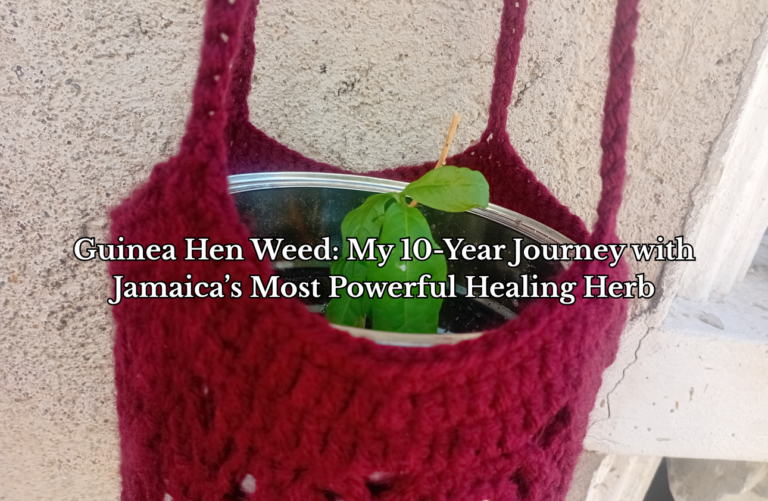
My entire container garden sits on a small table and hangs in crochet plant hangers I make myself. Scallions grow comfortably in a moderately sized pot; they do not need a lot of horizontal space, just enough depth for the roots to settle. I have found that grouping a few cuttings in one pot works well. They grow upright without competing too much, and harvesting from a group gives you a consistent supply without stripping any one plant too quickly.
If you are growing in a small space, container growing gives you control over your conditions in a way that ground planting does not always allow. You can move pots as the season changes, protect them from heavy rain, and adjust sunlight exposure as needed. For a plant like scallion that you will be harvesting from regularly, that flexibility matters.
Growing Scallions in Containers Is Worth Starting Today
Of all the herbs in my container garden, scallions are one of the most immediate in their usefulness. It grows quickly, it regrows after harvesting, it costs almost nothing to start from cuttings you already have in your kitchen, and it works hard for your health in ways most people do not realise.
Give a pot to a neighbour. Keep two for yourself. That is the rhythm I have found, and it works.
If you are setting up your own small-space container garden and want a simple way to lift your herbs off the table and improve airflow around your pots, I make crochet plant hangers designed specifically for that. You can click here to browse the catalog.
Have you grown scallions in containers before? Or are you just getting started? Drop a comment below and let me know. I read everyone.