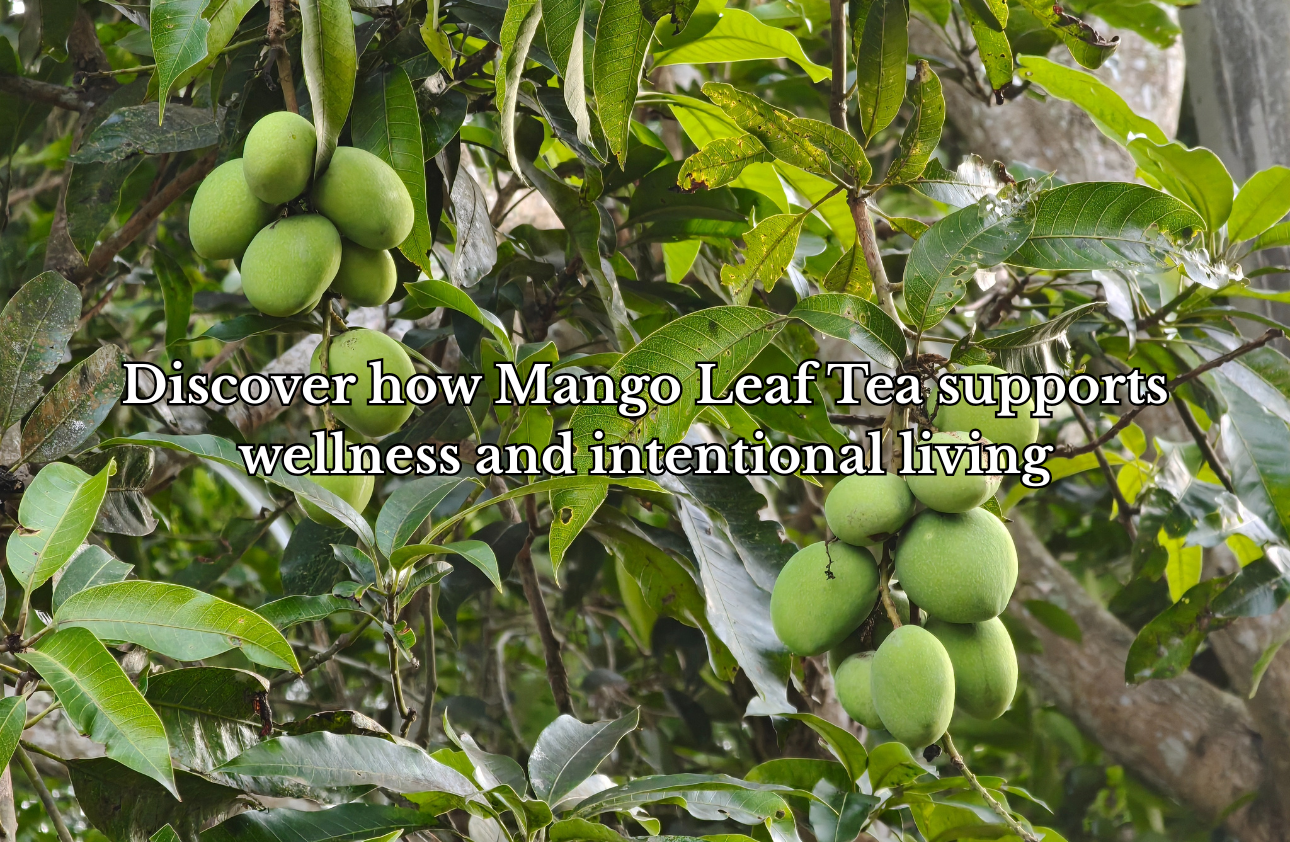
Mango Leaf Tea: The Ritual That Keeps Me Grounded
Discover how Mango Leaf Tea supports wellness and intentional living for women over 50
In the rush of my earlier years, those busy days in radio and media sales, I used to think that growth was only about the fruit. I was chasing the big results, the “mangoes” of life, while overlooking the very thing that sustained the tree through every season: the leaves.
Now, in my 50s, my perspective has shifted most beautifully. Some of our most potent medicine and deepest clarity come from the things we once walked right past. Some mornings, that clarity comes in a warm cup of mango leaf tea.
This is not just a wellness trend. It is a ritual. And it has become one of the anchors of my intentional living practice.
In This Blog Post:
The Wellness Benefits of Mango Leaf Tea
While most of us wait for the sweetness of the fruit, there is a quiet powerhouse growing right on the branch. For those of us navigating life after 50, the benefits of mango leaf tea are particularly grounding.
Blood Sugar & Blood Pressure Balance: Mango leaves contain compounds like mangiferin and tannins that have long been used in traditional herbal medicine to help manage blood sugar levels. Studies suggest they may support insulin production and improve how the body processes glucose. This is a meaningful benefit for anyone monitoring their metabolic health. The leaves are also associated with supporting healthy blood pressure, making this tea a thoughtful addition to a heart-conscious routine.
Calming the Nervous System: One of the things I love most about this ritual is what it does for my nervous system. Mango leaf tea has natural calming properties that help lower the “noise” of a busy week. If you are someone who carries stress in your body, tight shoulders, restless nights, and a mind that won’t quiet, this tea offers a gentle reset.
Vitamins & Antioxidant Support: Mango leaves are rich in vitamins A, B, and C, along with powerful antioxidants that help the body fight oxidative stress. These nutrients support skin health, immune resilience, and overall vitality, exactly what we need as we move through midlife with intention.
Respiratory & Digestive Health: Traditional practitioners have long used mango leaf preparations to ease respiratory issues like bronchitis and coughs. The leaves also support gut health by promoting the growth of beneficial bacteria and soothing digestive discomfort.
| 🌿 Growing plants for wellness in small spaces? I created a free Herbal Tea Starter Guide with the exact teas I drink and how I brew them gently at home. 👉 Download it here. |
Is Mango Leaf Tea Good for Weight Loss?
This is one of the most common questions I get, and the answer is: it can support your efforts, but it is not a magic fix.
Mango leaf tea may aid weight management in a few indirect ways. By helping to regulate blood sugar and reduce fat accumulation in cells (a property linked to mangiferin), it can support a more balanced metabolism. Its anti-inflammatory properties also help create a better internal environment for healthy weight management.
That said, mango leaf tea works best as part of a broader wellness lifestyle, paired with nourishing food, movement, rest, and intention. Think of it as a supportive tool, not a shortcut.
The Best Times to Drink Mango Leaf Tea
Timing matters when it comes to herbal teas. Here is what works well:
Morning (on an empty stomach): Many herbalists recommend drinking mango leaf tea first thing in the morning to support blood sugar regulation before the day’s first meal.
30 minutes before meals: This can help prime digestion and support glucose response after eating.
Evening wind-down: Given its calming effect on the nervous system, a warm cup in the evening makes a lovely ritual before bed, especially if you struggle to transition from a full day into rest.
Aim for one to two cups per day. Like all herbal preparations, consistency over time is where the real benefit lives.
How to Make Mango Leaf Tea
You do not need anything fancy. Just fresh or dried mango leaves, water, and a few minutes of presence.
What you need:
- 5 to 7 fresh mango leaves (or 1 to 2 teaspoons of dried mango leaf)
- 2 cups of water
- Optional: a small piece of ginger, a cinnamon stick, or raw honey to taste
How to prepare it:
- Rinse your fresh leaves gently under cool water.
- Bring the water to a boil, then add the leaves.
- Reduce the heat and let it simmer for about 10 minutes.
- Strain into your favourite cup.
- Add ginger, cinnamon, or a drizzle of honey if you like.
If you are using dried leaves, you can steep them in hot water for 10 minutes instead of simmering.
I harvest my leaves from a neighbour’s tree, part of what I call “growing back Jamaica,” starting with the abundance already in our communities. If you do not have access to fresh leaves, look for dried mango leaves at your local herbal shop or online.
| 🌿 Growing plants for wellness in small spaces? I created a free Herbal Tea Starter Guide with the exact teas I drink and how I brew them gently at home. 👉 Download it here. |
A Ritual of Discernment
As I sit with my tea each morning, I am reminded that intentional living is about discernment. It is about looking at what is already present in our backyards, our homes, or our bodies, and asking, How can I use this to thrive?
This stillness allows me to observe the patterns in my garden and the gaps in my work with a steady, unhurried hand. The tea becomes less about what is in the cup and more about the quality of attention I bring to the moment.
A Word on Side Effects
Mango leaf tea is generally considered safe for most people when consumed in moderate amounts. However, there are a few things to keep in mind.
People who are allergic to mangoes or related plants (like cashews or pistachios in the Anacardiaceae family) should exercise caution and consult a healthcare provider before trying this tea.
If you are on medication for diabetes or blood pressure, speak with your doctor before adding mango leaf tea regularly, as it may interact with those medications by compounding their effects. Pregnant or breastfeeding women should also seek medical guidance first.
As with any herbal remedy, more is not always better. One to two cups a day is a reasonable and respectful dose.
Let’s Grow Together
Whether you are tending to a single pot in your container garden or indoors, remember that the “leaves” matter. You do not always need something new to find healing or success. Sometimes, you just need to brew what you already have with a little more intention. Pour yourself a cup. Sit with it slowly. Let it anchor you.
P.S. If you’re reading this and nodding along because you’re also carving out a life of intention in a small space, I’ve created something just for you. To keep my healing herbs like Mints and Guinea Hen Weed thriving in my small container garden, I crochet plant hangers designed for vertical gardening.
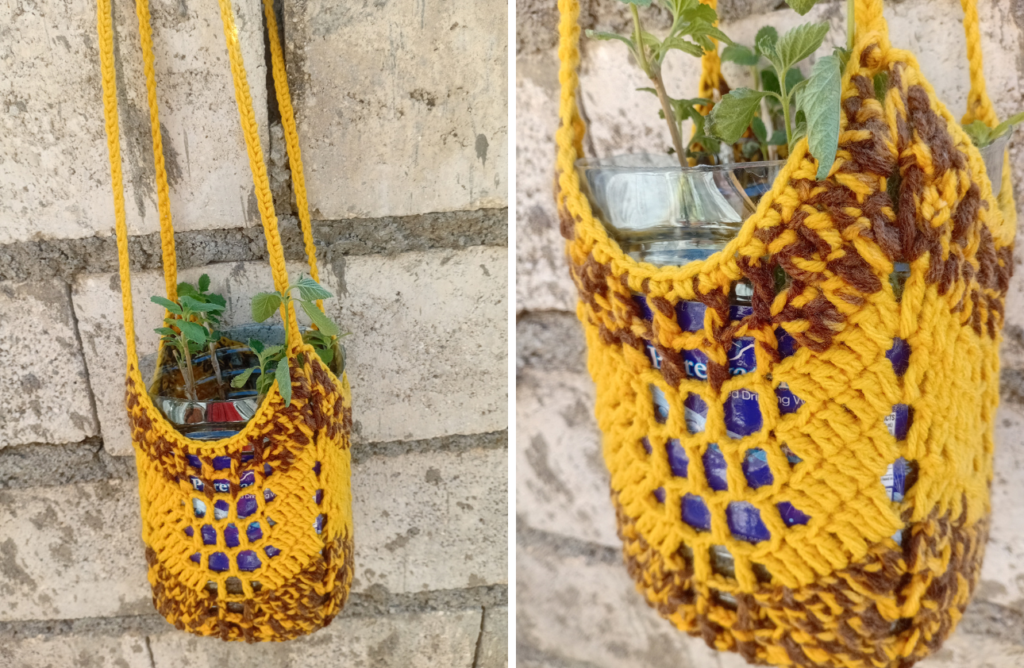
They are my favorite way to keep my “medicine” within arm’s reach while honoring the limited space I have. Click here to browse my Crochet Plant Hanger Catalog and see how I can help you plant more in small spaces.



Wonderful. I prefer them dried though
Hey sis! Thanks for checking in. I understand. I have them both ways. One of these days when I am in the west, I am coming to your house for tea, lol. Have a healthy and wonderful new week.