
Soursop Leaf Tea: How I Use It as a Herbal Tea Lover in Jamaica
As someone who reaches for a warm cup of herbal tea almost daily, soursop leaf tea has become one of my most trusted companions. The rich, earthy flavor and the sense of calm it brings have made it a staple in my wellness routine here in Jamaica.
But drinking something regularly comes with responsibility. The more I sipped, the more I wanted to understand what I was actually putting into my body, beyond just enjoying the taste and the ritual.
In This Article
Why I Wanted to Learn More About Soursop Leaf Tea
I drink soursop leaf tea often. Sometimes in the evening to wind down. Sometimes, during the day,y when I need a grounding moment between tasks. It’s become woven into the rhythm of my life. That frequency sparked curiosity, and with curiosity came responsibility.
- What was this plant actually doing in my body?
- What were the traditional uses that had been passed down through generations?
- Were there any cautions I should be aware of?
- Could I drink it every day without concern, or was moderation important?
These aren’t just academic questions when you’re incorporating something into your daily wellness practice. They’re essential for making informed, conscious choices about what you consume.
| 🌿 Growing plants for wellness in small spaces? I created a free Herbal Tea Starter Guide with the exact teas I drink and how I brew them gently at home. 👉 Download it here. |
Traditional Uses of Soursop Leaf in Our Culture
In Jamaica and across the Caribbean, soursop (also called guanabana or graviola) isn’t just a fruit tree; it’s a medicine cabinet growing in the yard. The leaves, in particular, have been brewed into tea for generations as a natural remedy for various health concerns.
Here’s what soursop leaf tea has traditionally been used for in Caribbean folk medicine:
1. Immune Support: Many people brew soursop leaf tea when they feel run down or during cold and flu season, believing it helps strengthen the body’s natural defenses.
2. Relaxation and Sleep Support: The tea is widely known for its calming properties. It’s often consumed in the evening to promote relaxation and support better sleep quality, something I have personally experienced.
3. Digestive Comfort: Soursop leaf tea has been used to soothe upset stomachs, support healthy digestion, and ease occasional digestive discomfort.
4. General Wellness Tonic: Beyond specific concerns, many Caribbean families simply drink soursop leaf tea as a general wellness practice, a way to support overall health and vitality naturally.
This generational knowledge matters. While it’s not a substitute for modern medical research, traditional use over centuries tells us something valuable about how our ancestors cared for their bodies with what grew around them.
What Soursop Leaf Tea Is Said to Support
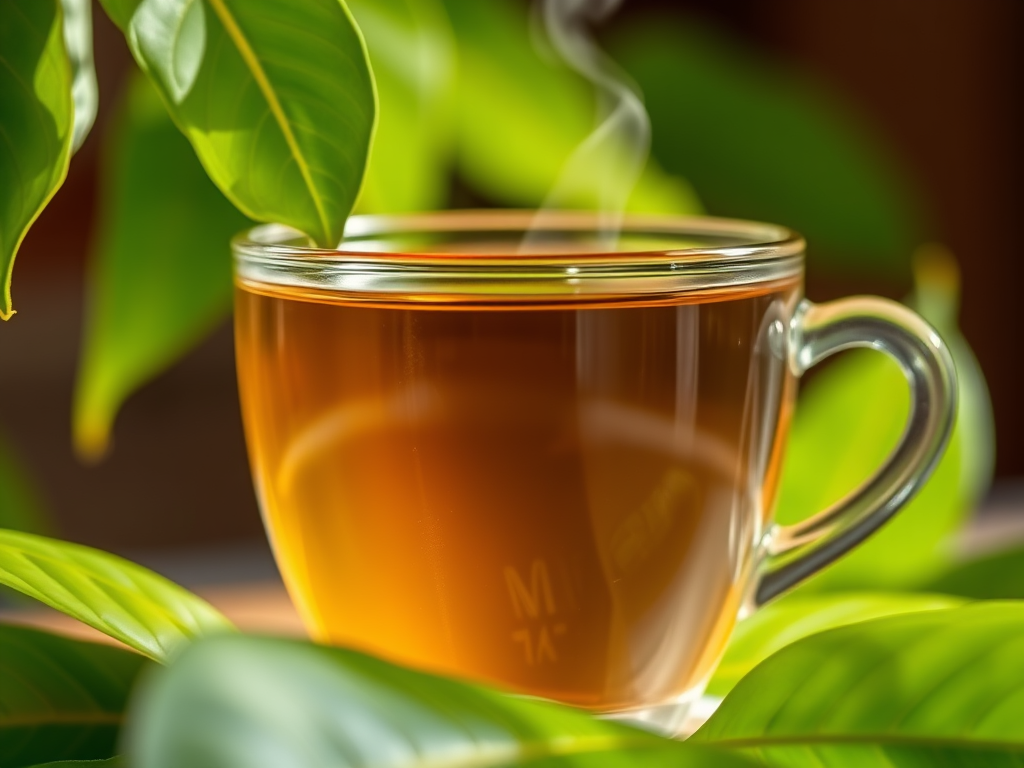
Based on both traditional use and emerging research, soursop leaf tea is believed to support several key body systems:
1. Nervous System Support: The calming, sedative-like properties of soursop leaves may help soothe nervous tension and promote a sense of relaxation. This is why many people drink it before bed or during stressful periods.
2. Immune System Function: Soursop leaves contain compounds that traditional practitioners believe support the body’s natural immune response, helping you stay resilient during seasonal changes.
3. Digestive System Health: The anti-inflammatory and soothing properties may help ease digestive discomfort and support healthy gut function.
4. Inflammation Response: Some research suggests that compounds in soursop leaves may have anti-inflammatory properties, potentially supporting the body’s natural healing processes.
It’s important to note that while traditional use and preliminary research are promising, more extensive clinical studies are needed to fully understand soursop leaf’s effects on these systems.
Side Effects and Who Should Avoid Soursop Leaf
As much as I love soursop leaf tea, responsible use means understanding when caution is needed.
1. Pregnancy and Breastfeeding: If you are pregnant or nursing, it’s best to avoid soursop leaf tea. I was told that there isn’t enough research to confirm its safety during these sensitive periods, and traditional wisdom also advises against it.
2. Blood Pressure Concerns: Soursop leaf may lower blood pressure. If you already have low blood pressure or take medication for high blood pressure, consult with a healthcare provider before drinking it regularly. The combination could potentially drop your pressure too low.
3. Long-Term Daily Use Cautions: While occasional use is generally considered safe for most people, some sources suggest that daily consumption over extended periods (months or years without breaks) might not be ideal. The reason? Some compounds in soursop leaves, when consumed in very high amounts over long periods, have raised questions in research.
4. Neurological Considerations: Some studies have suggested a possible link between excessive, long-term consumption of soursop products and neurological effects, though this research is still evolving and often relates to very high doses.
5. Moderation Matters: As with any herbal remedy, moderation and mindful consumption are key. Just because something is natural doesn’t mean unlimited quantities are harmless.
| 🧶 Small space growing tip: I use handmade crochet plant hangers to lift my pots and save floor space. If you’re curious, you can view my plant hanger catalog here. |
Can You Drink Soursop Leaf Tea Every Day?
This is one of the most common questions I get, and it’s one I have asked myself. The answer isn’t a simple yes or no; it depends on how you approach it.
Consider Cycling Your Consumption: Rather than drinking soursop leaf tea every single day without pause, many herbalists recommend cycling. This means drinking it regularly for a period (perhaps a few weeks), then taking a break, then resuming. This approach respects the potency of the plant while giving your body time to process and reset.
Listen to Your Body: Your body will often tell you what it needs. If you notice any unusual symptoms, fatigue, or changes in how you feel, that’s valuable feedback worth paying attention to.
My Current Pattern: I typically drink soursop leaf tea 3-4 times per week rather than daily. Some weeks more, some weeks less, depending on how I am feeling and what my body seems to be asking for. I take periodic breaks, sometimes a week or two, especially if I have been drinking it consistently. This rhythm feels sustainable and respectful of both the plant’s power and my body’s needs.
My Personal Experience with Soursop Leaf Tea
The Taste: Soursop leaf tea has an earthy, slightly grassy flavor with subtle vegetal notes. It’s not sweet, but it’s not harsh either. I find it grounding and comforting. Some people add a touch of honey or a squeeze of lime, but I usually drink it plain, allowing the natural flavor to come through. I sometimes spruce it up with ginger for added flavor.
How It Fits My Tea Rituals: Tea time is sacred for me; it’s a pause, a breath, a moment of presence. Soursop leaf tea fits beautifully into my evening routine. I will often brew a cup after dinner, or sip while relaxing and crocheting a plant hanger, as the day settles. It’s become associated with transition: from doing to being, from activity to rest, from the external world to my inner landscape.
How It Makes Me Feel: Within about 20-30 minutes of drinking soursop leaf tea, I notice a gentle softening. My shoulders drop. My breathing deepens. Mental chatter quiets. It doesn’t knock me out or make me drowsy; it simply creates space for calm. I sleep better on nights when I’ve had soursop tea. I wake feeling more rested.
And I appreciate that it’s a tool I can grow myself, harvest myself, and prepare myself. That connection from plant to cup to body feels like genuine self-care.
A Gentle Disclaimer: This Is Not Medical Advice
Everything I have shared here comes from my personal experience, traditional knowledge, and my own research as an herbal tea enthusiast, not as a medical professional.
I am not a doctor, herbalist, or healthcare provider. This blog post is educational and experiential in nature, not medical advice.
If you have any health conditions, take medications, are pregnant or nursing, or have specific health concerns, please consult with a qualified healthcare provider before adding soursop leaf tea (or any herbal remedy) to your routine.
I encourage you to do your own research, listen to your body, and make informed decisions that feel right for you.
Herbal wellness is personal. What works beautifully for me might not be appropriate for you, and that’s okay.






One Comment