Growing Red Callaloo: From One Plant to a Sustainable Supply in My Container Garden
Sometimes gardening introduces us to something new that makes us look at our growing space a little differently.
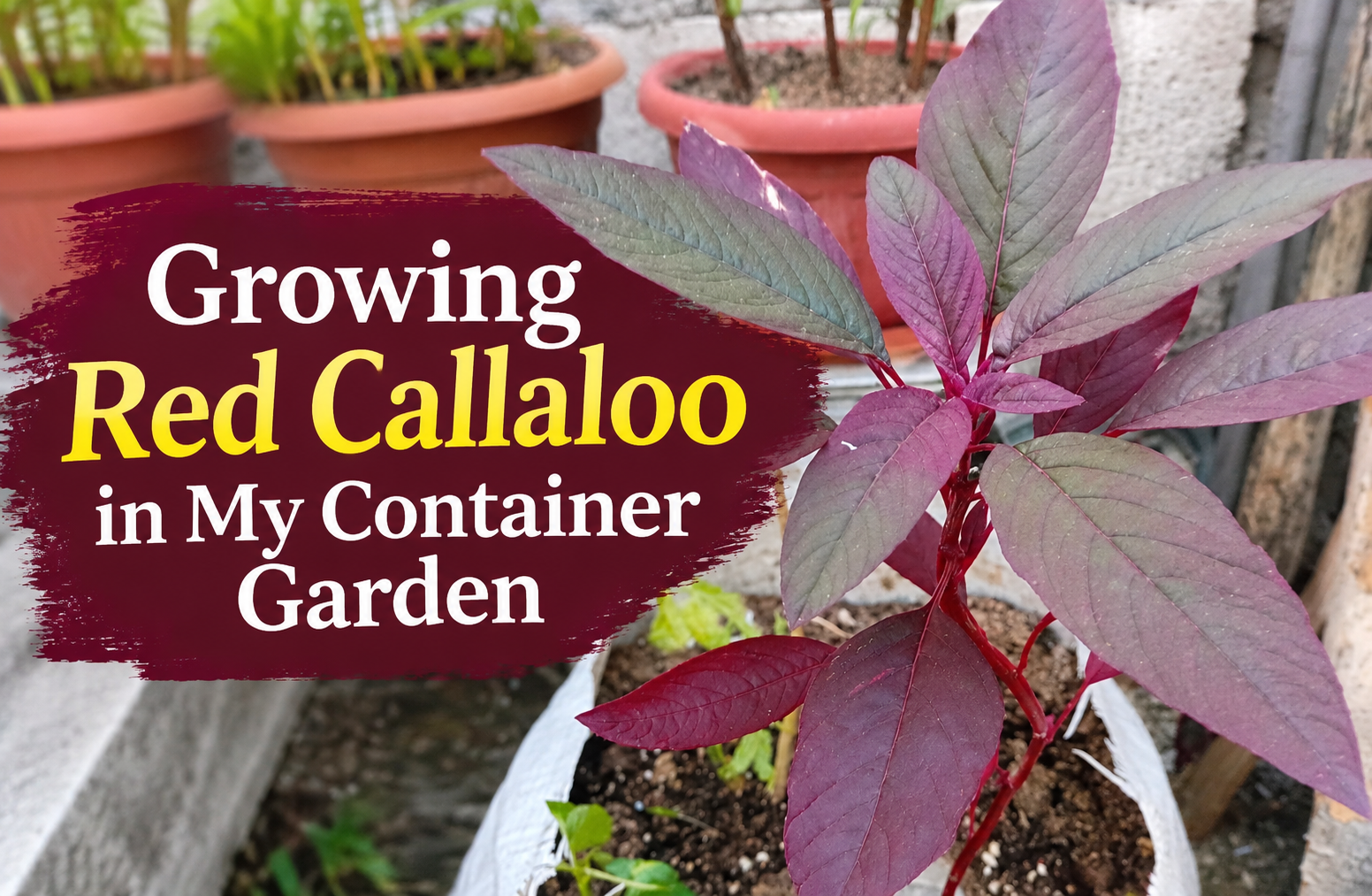
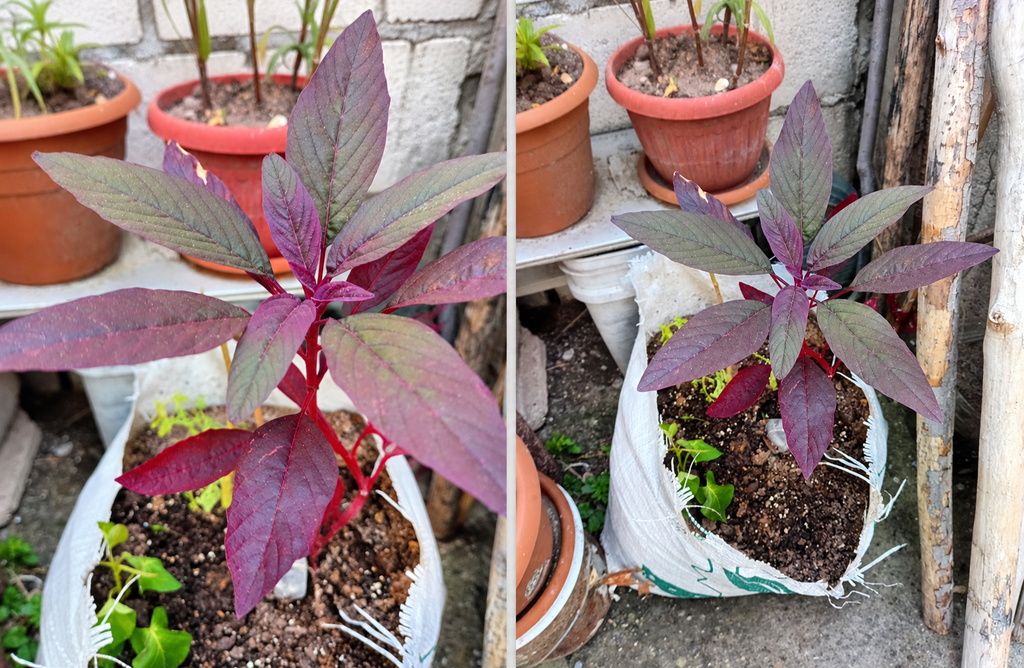
During my visit to the Home, Health and Garden Expo at the National Arena, I purchased a red callaloo plant. I was familiar with the green callaloo commonly used in Jamaican cooking, but this reddish-purple variety caught my attention.
I brought it home, added it to my container garden, and started learning more about it. What makes this particular purchase exciting is that I’m not necessarily planning to harvest and eat this first plant. Instead, I want to understand its growing cycle, learn how to collect its seeds, and eventually grow more plants.
My intention is to turn one plant into several, creating an additional source of fresh vegetables for my home.
In This Article
Getting to Know Red Callaloo
Callaloo is a familiar leafy vegetable in Jamaican households. It is commonly prepared steamed, sometimes with saltfish, and served alongside rice, green bananas, yam, dumplings, and other traditional foods.
The plant I purchased appears to be a red-leaf amaranth, possibly Amaranthus tricolor. However, I still need to confirm the exact variety. Amaranth is a group of plants grown in different parts of the world for their edible leaves and, in some varieties, their seeds.
The leaves can range from green to burgundy, red, and purple, depending on the variety.
Red Callaloo and Green Callaloo: What’s the Difference?
The green callaloo I grew up eating is familiar to me. Red callaloo, however, is something I’m getting to know. Both belong to the wider amaranth family, although the exact species and varieties can differ.
One interesting difference is the pigmentation. Red and purple varieties contain additional plant pigments, including betalains in some varieties, which contribute to their distinctive colours.
Both green and red amaranths can contribute useful vitamins, minerals, fibre and plant compounds to a balanced diet. I’m looking forward to learning more about the nutritional differences as I explore this new addition to my garden.
Growing Red Callaloo from Seed
Amaranth is generally easy to grow from seed, particularly in warm conditions. Seeds can be started in small containers or sown directly into prepared growing spaces.
The seeds are very small and should not be buried deeply. They need moisture, warmth and suitable growing conditions to germinate. Germination commonly takes between 7 and 21 days, depending on the variety and environment.
As the seedlings develop, they can be thinned or transplanted to give individual plants enough room to grow.
Understanding the Growth Cycle
Growing callaloo involves several stages:
1. Seed germination: Seeds sprout quickly in warm, moist soil.
2. Seedling development: Tiny leaves appear as the root system takes hold and stabilizes.
3. Leaf and stem growth: Rapid vegetative growth where rich, tender leaves develop quickly.
4. Flowering: Striking crimson flower tassels emerge from the top of the plant.
5. Seed development: The flowering spikes thicken as tiny green-to-brown seeds form inside.
6. Seed maturity and collection: Tassels turn dry and papery, signaling it is time to harvest and shake out the tiny seeds.
For leafy vegetable production, some amaranth varieties can be ready for their first harvest within approximately three to six weeks after sowing.
However, my intention with this first plant is to allow it to mature and complete its reproductive cycle so I can collect seeds.
How to Collect and Save Red Callaloo Seeds
One of the things I want to learn through this experience is how to save seeds from my own plants.
Amaranth produces very small seeds in its flowering structures. As these mature, the seed-bearing areas begin to dry, and the seeds can fall naturally from the plant.
The seeds can be collected by gently shaking mature flowering clusters over a container or by cutting mature stems and allowing them to dry before separating the seeds.
Once collected, the seeds should be thoroughly dried and stored in a labelled, airtight container in a cool, dry place.
This is an important step because saving seeds means I won’t necessarily have to purchase another plant every time I want to grow red callaloo. I can use the seeds from this first plant to begin growing additional plants.
Growing for Food and Growing for Seeds
There is a difference between growing a vegetable for regular harvesting and allowing it to mature for seed production.
When growing callaloo for food, young leaves and tender shoots can be harvested selectively. Regular harvesting can encourage further branching and leaf production in suitable varieties.
However, when growing for seeds, the plant needs to be allowed to flower and complete its reproductive cycle.
My plan is to eventually have several plants growing at different stages. Some will be maintained for food production, while others can be allowed to mature for seed collection.
This approach will help me maintain a more consistent supply rather than depending on one plant.
The Nutritional Value of Callaloo
Leafy vegetables are an important part of a balanced eating pattern.
Amaranth leaves can provide:
- Vitamin A precursors that support normal vision and immune function.
- Vitamin C, which supports normal immune function and iron absorption.
- Iron, which contributes to normal red blood cell production.
- Calcium, which supports healthy bones and teeth.
- Magnesium, which contributes to normal muscle and nerve function.
- Dietary fibre, which supports digestive health.
- Naturally occurring plant compounds with antioxidant activity.
The nutritional composition varies by variety and preparation method. Cooking is recommended because amaranth leaves can contain naturally occurring oxalates and nitrates.
From My Container Garden to The Kitchen
Eventually, I look forward to incorporating my homegrown red callaloo into the meals I already enjoy.
I can imagine steaming it with scallion, thyme, tomatoes, carrots, and other vegetables, or preparing it alongside saltfish and serving it with rice, green bananas, yam, or dumplings. I can also experiment with combining it with cabbage and pak choy for a delicious medley of vegetables.
Beyond cooking, I am also interested in exploring its use in fresh vegetable juices, blending the leaves with ginger and pineapple for a refreshing drink. There are so many possibilities, and I am excited about discovering different ways to enjoy this leafy vegetable.
For me, this is another opportunity to bring something from my growing space directly into my kitchen, making the connection between growing food, nourishing my body, and becoming more intentional about what I eat.
Why This Matters to My Grow Back Jamaica Journey
For me, container gardening is about more than keeping plants alive. It is about learning to grow useful food, making better use of available space, and gradually becoming more intentional about what I consume.
Not everyone has access to a backyard or a large piece of land. Some of us have to work with containers, small spaces, and whatever resources are available. But we can still begin.
This red callaloo plant represents another small step in my journey towards growing more of my own food. I am not rushing to harvest it. For now, I am observing, learning, and looking forward to collecting my first seeds.
One plant today, hopefully, several more tomorrow, and eventually, fresh callaloo making its way from my container garden to my dinner table.
This is Grow Back Jamaica: growing what we can, where we are, one plant at a time.
Have You Grown or Eaten Red Callaloo?
Now I would love to hear from you! Have you ever grown or eaten red callaloo? If so, how was your experience with it? Is it something you grow regularly, or was it a vegetable you discovered recently?
If you have grown it, I would especially love to know how you propagate it, collect and save its seeds, and how long it takes before you’re able to harvest.
And if you have prepared it in your kitchen, how do you enjoy it? Do you steam it, combine it with other vegetables, add it to your meals, or even use it in fresh juices?
Share your experiences, tips, and favourite ways to prepare red callaloo in the comments below. I’m still learning, and would love to learn from you along the way!