Oregano Herb: How to Grow It, Brew It, and Enjoy Its Benefits
I have learned that the oregano herb is one of the easiest and most rewarding plants to grow, especially if you enjoy herbal teas and container gardening.
I did not choose this plant. My cousin brought it home one day while I was away for a couple of weeks, and when I came back, there it was, already settled into a pot with its roots in place. I have been walking past it since, curious about what it actually is and what it can do for me.
That curiosity is what pushed me to start learning everything I could, from how to grow it properly in a container, to how it fits into my herbal tea ritual, to the traditional Jamaican wisdom around blending it with other herbs.
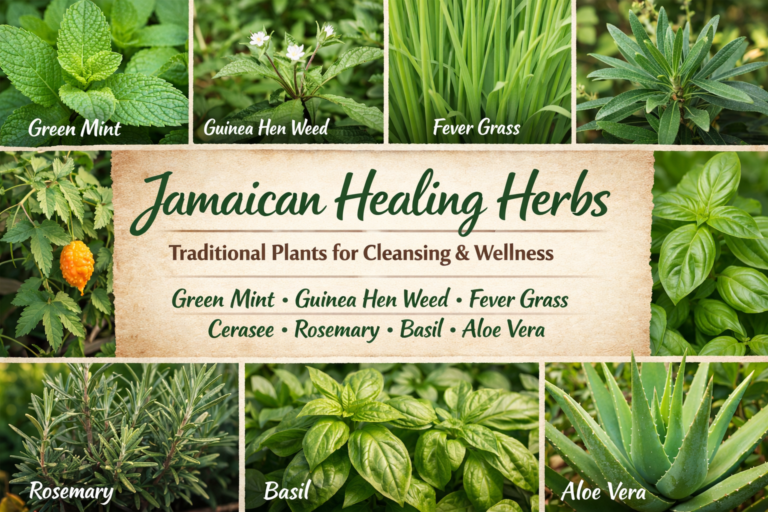
I am not an expert. I am writing this as someone learning in real time, the same way I approached Green Mint, Guinea Hen Weed, and Leaf of Life when they first entered my garden.
| 🌿 Growing plants for wellness in small spaces? I created a free Herbal Tea Starter Guide with the exact teas I drink and how I brew them gently at home. 👉 Download it here. |
This post is where I will share what I am discovering about growing oregano, brewing it, and understanding its place in wellness, one step at a time.
Table of Contents
What Is the Oregano Herb?
Here is where things get interesting. What most of us in Jamaica call oregano is often not the Mediterranean herb you find in Italian cooking. In many Jamaican yards, the plant going by that name is actually what botanists call Plectranthus amboinicus, a member of the mint family.
It goes by many common names depending on where you are standing, including Caribbean oregano, Cuban oregano, Spanish thyme, broadleaf thyme, and Indian borage. It smells like oregano and tastes similar enough that it earned the name, but it is a completely different plant from true oregano, which is Origanum vulgare, the herb most associated with the Mediterranean.
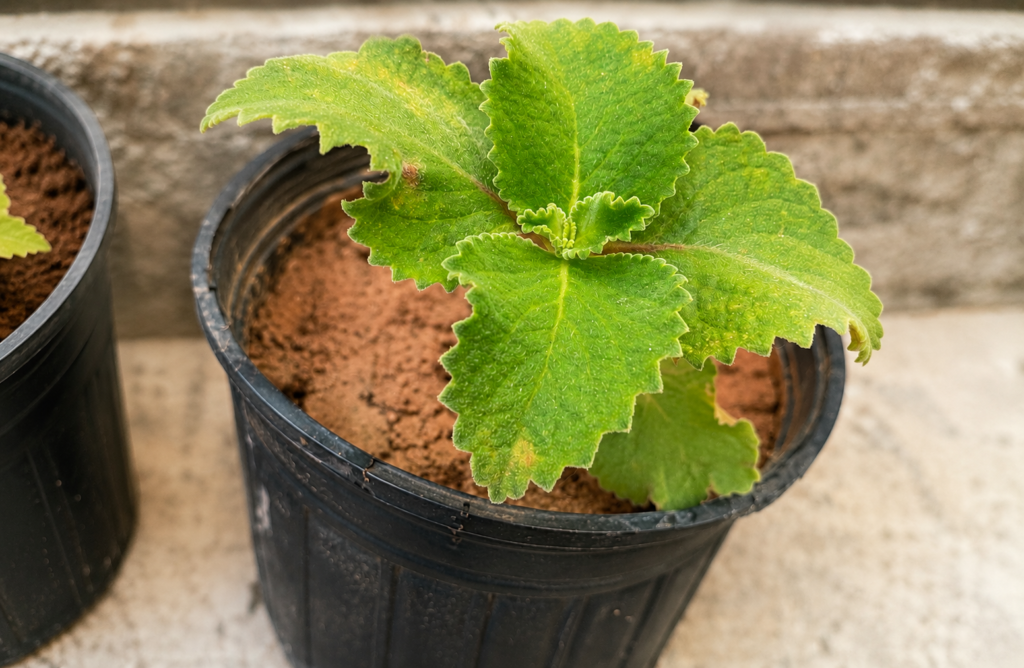
The plant sitting in my cousin’s container is likely this broadleaf thyme, the version so many of us grew up seeing in our backyards, thick-leafed, fuzzy, and fragrant the moment you brush against it.
I plan to look more closely at the leaf shape and texture to confirm exactly which one I have, and I will update this post once I know for certain. Either way, the growing, brewing, and traditional uses overlap enough that this post applies to both.
How to Grow Oregano Herb in a Container
I have not planted this myself yet, so this section reflects what I am learning before I get my hands into the soil, not what I have already tested. Here is what the research points to so far.
- Pot size matters more than people think. Oregano, whether true or broadleaf, does well in a container that gives the roots room to spread, something in the range of a 10- to 12-inch pot to start, with room to size up as the plant matures.
- Soil needs to drain well. A heavy, water-retaining mix will work against this plant. A well-draining potting mix, ideally one with some sand or perlite worked in, mimics the conditions this herb prefers.
- Drainage holes in the pot are non-negotiable. Oregano does not like sitting in wet soil, and root rot is one of the fastest ways to lose a plant like this.
- Sunlight requirements depend on which type I actually have. True oregano wants full sun. Broadleaf thyme is more forgiving and does well in partial shade, particularly in a hot climate like ours here in Kingston, where full afternoon sun can be intense.
- Watering should follow a dry-between-waterings approach. Letting the soil dry out somewhat before the next watering encourages stronger roots and helps prevent rot.
- Feeding does not need to be heavy. A light feed every few weeks during the growing season is usually enough. Oregano is not a demanding plant when it comes to nutrients.
- Harvesting is best done regularly. Once the plant is established, snipping from the top down encourages bushier growth rather than a leggy, sparse plant.
Can You Grow Oregano from Cuttings?
Yes, and this is one of the most searched questions about this herb for good reason. Stem cuttings root easily, and propagating from a cutting is actually the preferred method for this plant, more reliable than starting from seed. Take a 4- to 6-inch cutting with a couple of leaf nodes, strip the lower leaves, and place the stem in water or moist soil. Roots typically begin to show within one to two weeks.
I am going to test this myself. I plan to take a cutting from the plant currently in my cousin’s care and track how it develops, whether it roots faster in water or directly in soil, and how long it takes before I see new growth. I will share the results as I go, because this is exactly the kind of hands-on learning I want this space to reflect.
Fresh vs Dried Oregano for Herbal Tea
Both fresh and dried oregano can be used for tea, and each brings something different to the cup. Fresh leaves tend to carry a brighter, slightly more herbal and green flavor, while dried oregano concentrates the oils and often produces a stronger, more intense taste.
Dried oregano also has the advantage of convenience, since it stores well and is ready whenever you want a cup without needing a fresh harvest on hand.
A simple brewing guide looks like this:
- For fresh leaves, use four to six leaves per cup, crushed lightly to release the oils, steeped in hot water for eight to ten minutes.
- For dried oregano, use about one teaspoon per cup, steeped for the same amount of time.
- Cover the cup while steeping to hold in the aromatic oils that give the tea its benefits.
| 🌿 Growing plants for wellness in small spaces? I created a free Herbal Tea Starter Guide with the exact teas I drink and how I brew them gently at home. 👉 Download it here. |
Health Benefits of Oregano Herb
I want to be careful here and not overstate what the research actually shows. Oregano, in its various forms, is rich in antioxidants and has traditionally been used to soothe coughs and sore throats. It is also associated with supporting digestion and contains natural antimicrobial compounds that show up consistently in studies on the plant’s essential oils.
What I will say plainly is that most of the research so far has focused on concentrated extracts and essential oils rather than the tea itself. The findings are promising, but tea-specific studies on humans are still limited. I am approaching this the way I approach everything in my herbal wellness practice, with respect for tradition and an honest acknowledgment of where the science currently stands.
Two Jamaican Herbal Tea Blends
Traditional Jamaican herbal practice often does not rely on one herb alone. Blending is part of the culture, and two combinations stand out for oregano.
Oregano and Green Mint: This is a pairing many households have used for generations to support digestion while giving the tea a refreshing lift. Green Mint softens the stronger flavor of oregano and adds its own traditional digestive benefits.
Oregano and Ginger: This is a warming combination, often reached for during cold season or when the body needs a little extra support. Ginger’s warming properties, paired with oregano’s traditional use for respiratory comfort, make this a blend many Jamaican households keep close during the cooler months.
I want to be clear that these are traditional practices passed down through generations, not medical claims. If you are managing a health condition, a conversation with a healthcare provider is always the better first step before relying on any herbal remedy.
My Oregano Growing Journey
This is where the real story begins. Right now, there is one oregano plant, already rooted, sitting in a container in my yard. Soon, I will start growing it in my container garden alongside Green Mint, Guinea Hen Weed, Scallion, Aloe Vera, Snake Plant, Dandelion, Blue Vervain, and Leaf of Life.
Over the coming weeks, I plan to take a cutting and begin my propagation experiment, watch how the original plant responds to consistent watering and light, and pay attention to how quickly new growth appears.
I will be documenting all of it, the pot I choose, the soil mix, and what I observe as the weeks go by. This is exactly the kind of learning through experience that #GrowBackJamaica is built on, growing something with my own hands and sharing the real process, not a polished version of it.
Recommended Dried Oregano on Amazon
While the plant in my yard is still young, dried oregano leaves and oil are worth having on hand, whether for tea, cooking, or topical use.
Dried leaves offer convenience and a longer shelf life, while the oil is often chosen for its concentrated properties. If you want to explore some options, you can find a selection of oregano leaves and oils on Amazon. Click here.
This post contains an affiliate link. If you make a purchase through it, I may earn a small commission at no extra cost to you.
Final Thoughts
If you have space for one container, oregano is worth adding to it. Whether you end up with the true Mediterranean variety or the Caribbean broadleaf version many of us grew up around, the growing process, the tea ritual, and the tradition behind it are all worth exploring. I would love for you to try a cup of oregano tea for yourself and see what you think.
Follow along here or on Facebook | Instagram as I continue learning about this herb, take my first cutting, and share what happens next in my container garden.
| 🌿 Growing plants for wellness in small spaces? I created a free Herbal Tea Starter Guide with the exact teas I drink and how I brew them gently at home. 👉 Download it here. |