Cerasee Tea Benefits: The Bitter Bush Jamaica Has Always Trusted
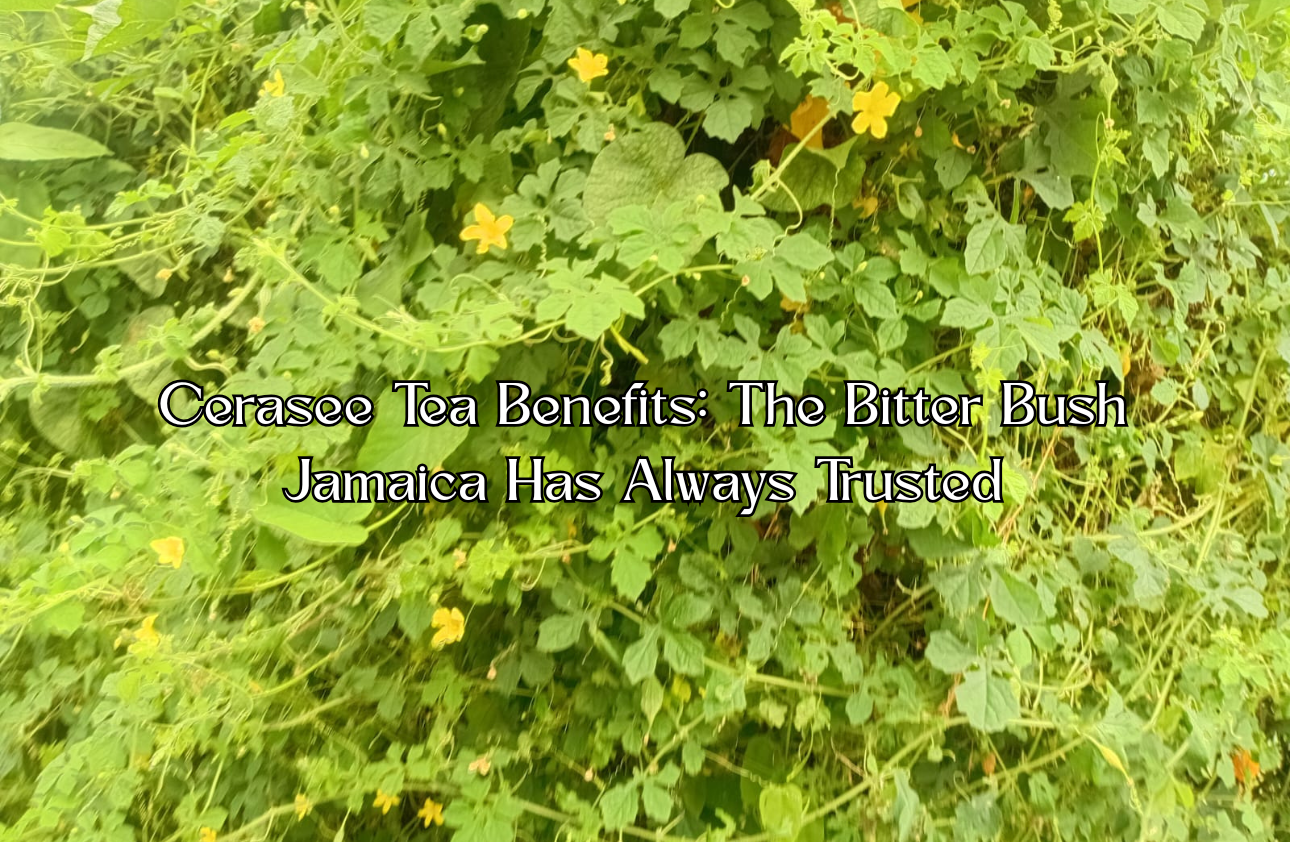
I am visiting my brother and sister this week. We are spending time together, the way family does, slow and easy, no rush. And as I walked through my brother’s yard, I stopped. Growing right along his wire fencing, climbing and spreading the way it does without any help from anyone, was cerasee. Some people walk past it and see a weed. I stopped and saw a pharmacy.
Cerasee tea benefits are not new information to most Jamaican households. This is the herb grandmothers brewed without recipes, and mothers gave without explanation. You drank it because it was time to drink it. You did not argue. You did not ask questions. You held your nose, and you swallowed, and somehow, your body always felt better after.
I do not grow cerasee in my container garden. It grows wild, and neighbors share it freely. That is part of what I love about this herb. It belongs to the community. It does not wait for you to tend it. It just grows, and offers itself, and does its work.
| 🌿 Growing plants for wellness in small spaces? I created a free Herbal Tea Starter Guide with the exact teas I drink and how I brew them gently at home. 👉 Download it here. |
Table of Contents
What the Bible Says About Herbs
Before I talk about what cerasee does for the body, I want to talk about where I believe herbs come from. Because for me, my wellness practice and my faith are not two separate things. They never have been.
In Genesis 1:29, God said: I give you every seed-bearing plant on the face of the whole earth and every tree that has fruit with seed in it. They will be yours for food. That was the original provision. Not a supplement. Not a prescription. Plants. Herbs. Seeds. Given to us from the very beginning.
Ezekiel 47:12 speaks of trees whose leaves are for healing. Revelation 22:2 carries the same image: leaves of the tree given for the healing of the nations. That cerasee growing wild on my brother’s fence is not an accident. It is a provision. It is a design. It has always been there for us.
Proverbs 15:17 reminds us that a simple meal eaten with love is better than a feast eaten without it. There is wisdom in simplicity. There is power in the natural. When I drink cerasee tea, I am not just supporting my body. I am participating in something ancient, something intentional, something that was placed here long before any of us arrived.
What Is Cerasee and Why Jamaica Knows It Well
Cerasee is known in Jamaica as Sersy, and its scientific name is Momordica charantia. It is a fast-growing vine with thin twisting stems, deeply lobed leaves, small yellow flowers, and a little warty green fruit that turns orange and bursts open when ripe to reveal bright red seeds. You have seen it. Growing along walls, up fences, through hedges. It grows unaided and uncomplaining.
Around the world, this plant goes by many names. In other parts of the Caribbean, Asia, and Africa, it is called bitter melon, bitter gourd, karela, and balsam pear. In Jamaica, we call it cerasee, and we have been using it for centuries as one of our most trusted bush remedies.
Many people dismiss it as a nuisance weed. It climbs where it is not invited. It spreads without permission, but those who know, know. The bitter taste is exactly the point. That bitterness is where the medicine lives.
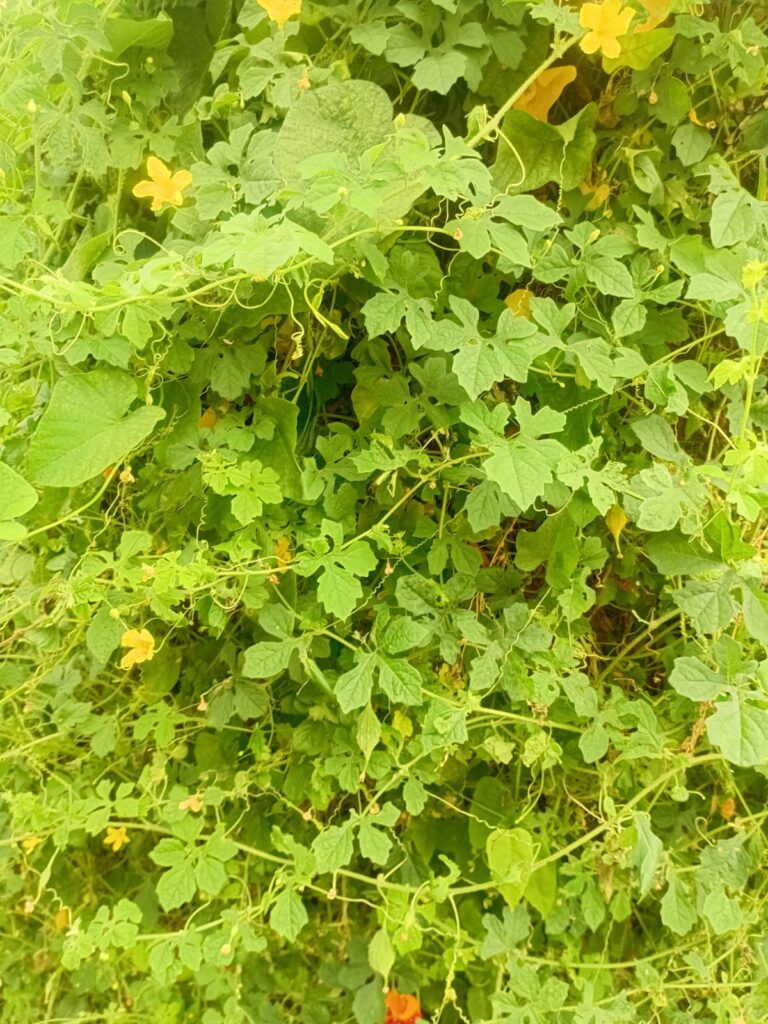
Cerasee Tea Benefits – Healing herb growing in my brother’s backyard, and of course, I am having some cerasee tea today and then closer to the end of this week.
The Health Benefits of Cerasee Tea
The cerasee tea benefits that Jamaicans have trusted for generations are now being confirmed by research. Here is what this bitter bush can do for your body.
Blood Purification and Detox: This is what cerasee is most known for in Jamaica. The tea is traditionally prepared by boiling the leaves and stems, and it is used to cleanse the blood and remove toxins from the body. Research supports the antioxidant activity of Momordica charantia, indicating real potential for liver protection and detoxification at the cellular level. Many Jamaicans reach for cerasee after a period of heavy eating or illness, when the body feels sluggish and in need of a reset. That instinct is well-founded.
Blood Sugar Support: Cerasee contains compounds including charantin and polypeptide-p, which researchers believe may help support healthy blood glucose levels by acting in ways similar to insulin. Clinical research has shown that bitter melon (Momordica charantia) can produce modest improvements in blood sugar control, although they are saying should not be considered a replacement for prescribed diabetes medication.
A 2011 randomized clinical trial published in the Journal of Ethnopharmacology found that bitter melon had measurable glucose-lowering effects in people with newly diagnosed type 2 diabetes, though its effects were less pronounced than those of metformin. For those interested in supporting healthy blood sugar as part of an overall wellness routine, cerasee remains one of Jamaica’s most respected traditional herbs.
Digestive Health: The bitter compounds in cerasee stimulate the production of digestive enzymes and bile. This supports healthier digestion, reduces bloating, and can ease the kind of sluggish belly that comes with poor eating or stress. In Jamaica, cerasee has long been used for belly aches and general digestive discomfort. The bitter taste you are reluctant to swallow is the same thing doing the work inside your gut.
Skin Health: Cerasee has been traditionally used to support skin conditions including eczema, rashes, and general irritation. Its anti-inflammatory and antibacterial properties are believed to contribute to this benefit. In some Jamaican households, cerasee is used both as a tea and as a wash applied directly to the skin. Both the inside and the outside of the body can benefit from this herb.
How I Use Cerasee – and How I Recommend That You Should Too
I want to be clear with you. Cerasee is not an everyday tea for me. I do not drink it the way I drink my green mint or my bush tea in the morning. Cerasee is what I reach for when I feel the need to reset, when I want to detox, and when my body is signaling that something needs to clear.
Sometimes I use it twice a week for a short season. Sometimes I go weeks without it. I listen to what my body is asking for. That is the approach I recommend. Cerasee is a tool, not a habit. Traditional Jamaican practice also advises taking a break after consistent use. The guidance is to rest for nine days after a period of drinking cerasee regularly. That wisdom exists for a reason. Potent herbs deserve respect.
To prepare cerasee tea, boil a handful of fresh or dried leaves and stems in water for ten to fifteen minutes. Strain and drink. You can add a small amount of honey if the bitterness is too much. Do not fight the bitterness completely. That bitterness is the medicine.
Can’t find fresh cerasee where you live? If you don’t have access to fresh cerasee growing nearby, good-quality dried cerasee is a practical alternative. It lets you enjoy this traditional Jamaican herb no matter where you are. This is the dried cerasee I recommend for making tea at home: Cerasee Dried Herb on Amazon (affiliate link). Buying through this link helps support my work at no extra cost to you, and I truly appreciate it.
If you are just beginning your herbal wellness journey and you want a simple, practical guide to getting started, I have something for you. It is my free Herbal Wellness Starter Guide, which covers the herbs I use, how I prepare them, and how to build a simple wellness ritual that works with your real life. Get your copy here!
A Word of Caution Before You Brew
Cerasee is powerful, and powerful things require care. Here is what you need to know before you start.
Pregnant women should not drink cerasee tea. This is traditional Jamaican wisdom, and it is also supported by research. The herb has properties that are not safe during pregnancy.
If you are managing diabetes or hypertension and you are already on medication, speak with your healthcare provider before adding cerasee to your routine. Because cerasee actively supports blood sugar and blood pressure, combining it with medication without guidance can affect your levels.
Do not use cerasee every single day without a break. This is not a daily maintenance herb. It is a seasonal, intentional herb. Treat it that way.
The Bush That Grows Without Being Asked
Standing in my brother’s yard this week, looking at that cerasee climbing his fence, I thought about how much of our healing has always been right here. Not in a store. Not in a capsule. Just growing on the wire, waiting for someone to notice.
The cerasee tea benefits our ancestors knew are the same ones researchers are now writing papers about. That does not surprise me. It confirms what I have always believed. The Creator put provision in the earth. Our ancestors learned to use it. Our job is to carry that knowledge forward and not let it disappear.
If you have cerasee growing near you, on a fence, in a neighbor’s yard, climbing through a hedge, do not walk past it. Ask for a handful. Brew it with intention. And let it do what it has always done.
With roots and intention,
Gillian | Queen Gee