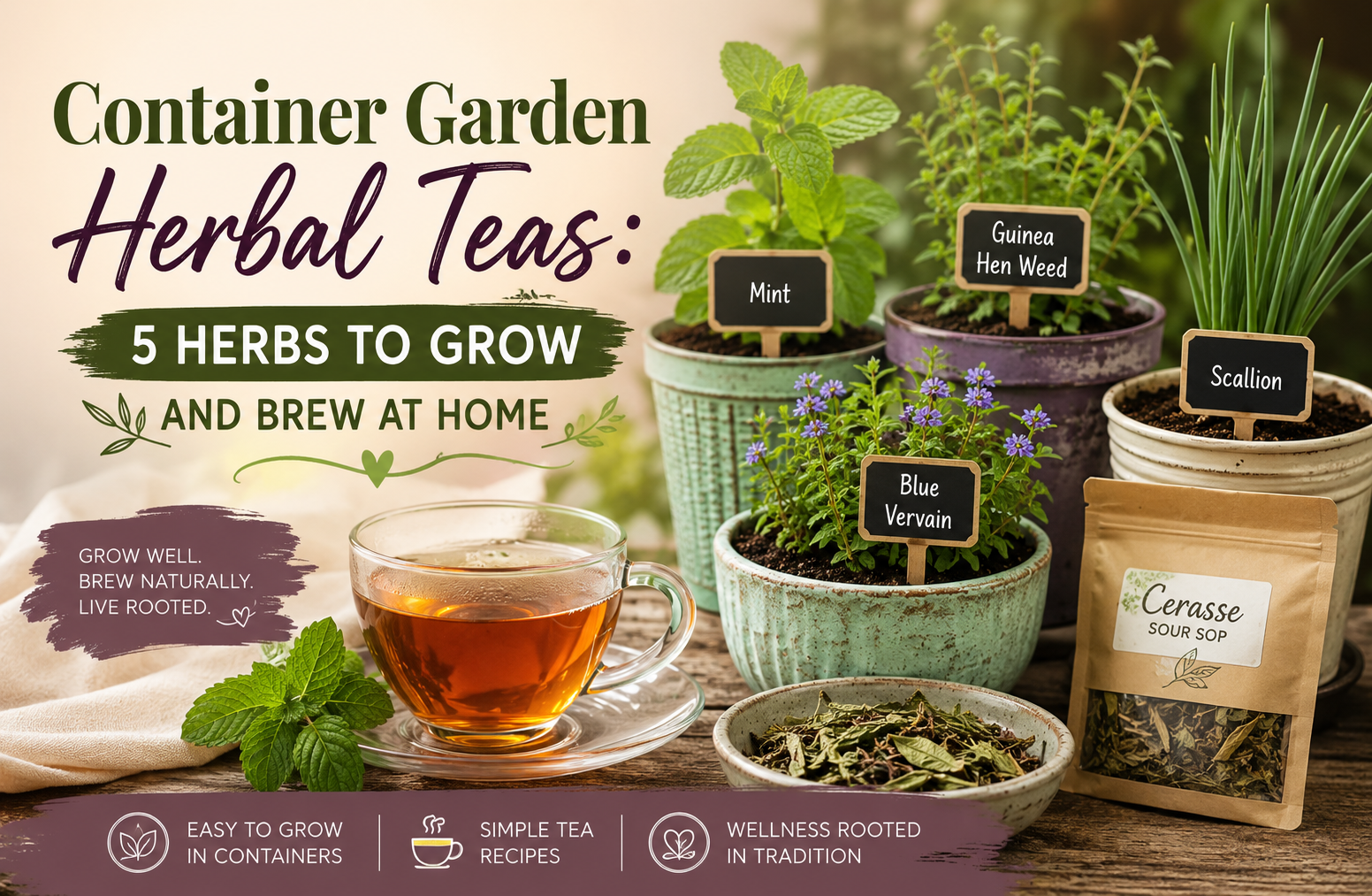
Container Garden Herbal Teas: 5 Herbs to Grow and Brew at Home
The Story Behind My Container Garden and Why These 5 Herbs Matter.
Right now, sitting on my back step in Kingston, I am looking at a row of containers. Some are plastic, some are repurposed buckets, and some hang from crochet hangers. Every single one of them holds a little piece of the wellness traditions I grew up with.
- Guinea Hen Weed is pushing up against the edge of a pot.
- Blue Vervain catching the afternoon light.
- Mint that tries to take over everything around it, but can’t because I harvest it a lot.
- Scallion standing at attention neatly, like it knows exactly what it’s there for.
Container gardening was never my first plan. My dream has always been a big yard with fruit trees, a proper herb garden, and flowers blooming up the walkway. But while I work toward that, these pots have taught me something important: you do not need acres of land to stay rooted in Caribbean wellness traditions. You need a few good containers, good soil, and the willingness to tend something living.
That is what this post is about – container garden herbal teas you can grow at home, brew fresh, or source as quality dried teas if you live far from the islands. Whether you are in Kingston, London, Toronto, New York, or Miami, these five herbs can anchor your wellness routine and keep you connected to something real.
Table of Contents
Why Container Garden Herbal Teas Are Having a Moment
People everywhere are rediscovering what Caribbean grandmothers and herbalists always knew: that the plants growing in the yard, on the windowsill, or in a pot on the veranda hold real wisdom. For the Caribbean diaspora, especially, these teas are more than a wellness habit. They are a homecoming in a cup.
The beauty of growing your own herbs, even in containers, is that you control everything. No pesticides. No mystery. Just plants you know, tended with your own hands, brewed into teas that taste like home. Let us get into five of the herbs I keep growing and reaching for most.
FREE DOWNLOAD: Want 30 herbal tea recipes and brewing tips drawn from Caribbean tradition? Grab your copy of the Herbal Wellness Starter Guide. It is completely free and packed with everything you need to get started. Download it here. ⬇️
1. Green Mint (Mentha spp.)
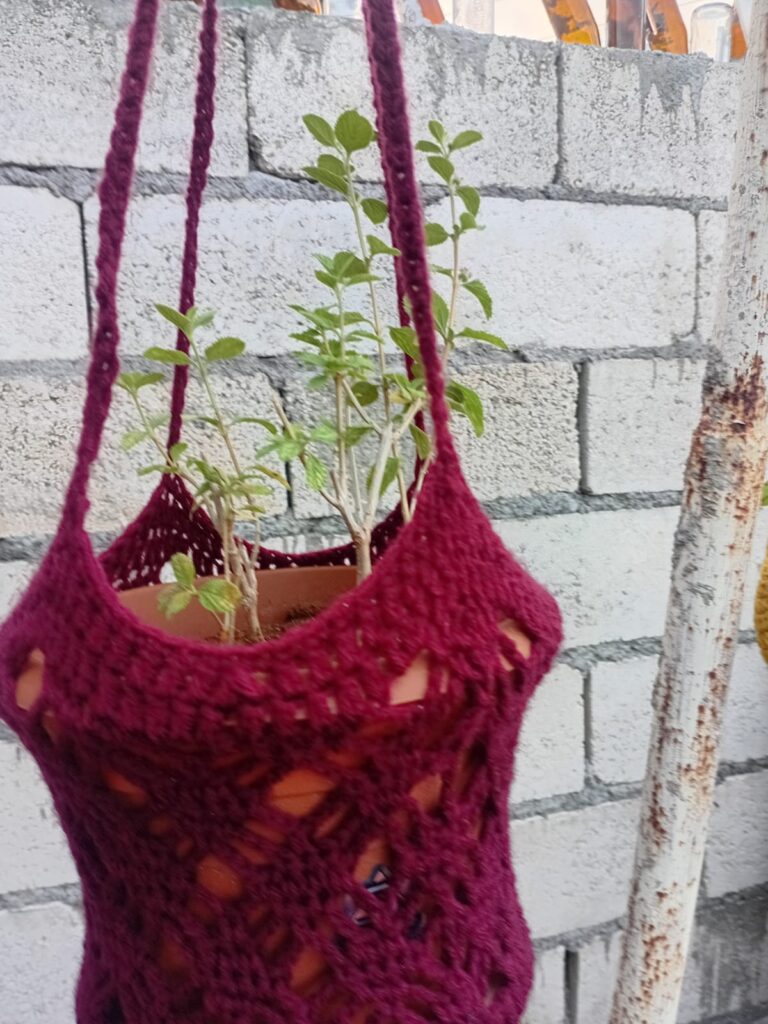
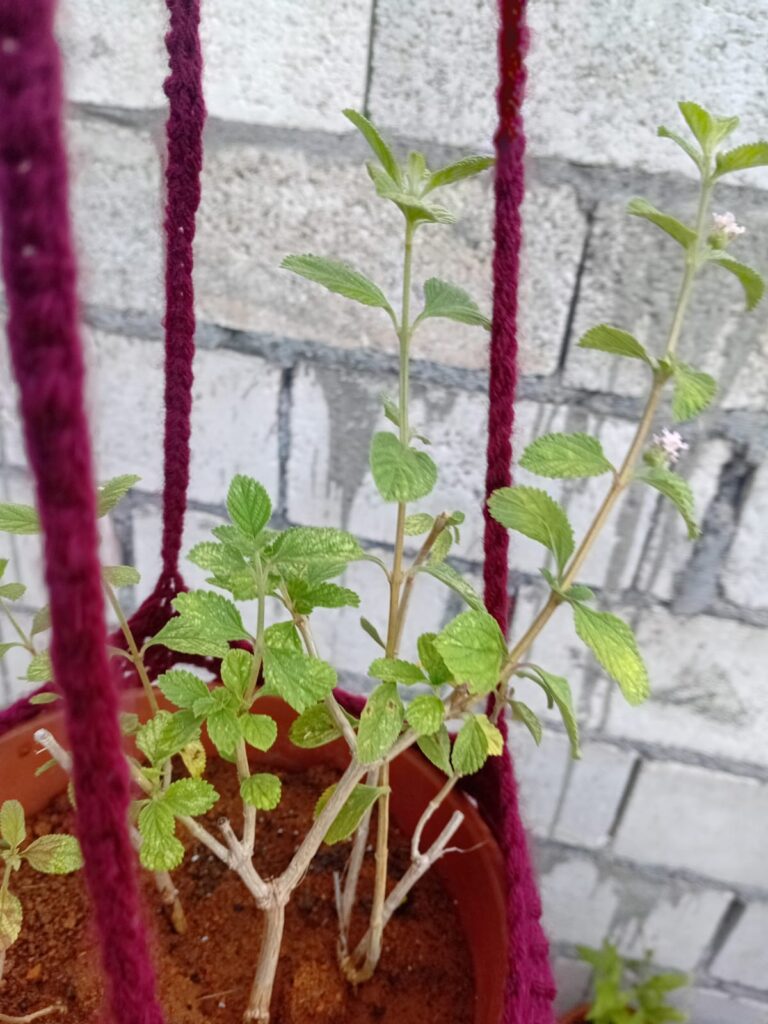
Growing my Green Mint vertically, supported by a crochet plant hanger I made.
The Traditional Role of Mint in Caribbean Wellness:
Mint has been a staple in Caribbean kitchen gardens for generations. In Jamaica and across the region, a cup of fresh mint tea is the instinctive reach for an upset stomach after a heavy meal, or a moment when you just need to settle down and breathe. It is warming, familiar, and deeply comforting. The kind of tea that needs no explanation.
Simple Tea Preparation:
Bring fresh water to a gentle boil. Drop in a generous handful of fresh green mint leaves – about 8 to 10 good sprigs. Let it steep for 5 to 7 minutes, covered, so the steam stays in. Sweeten with a little raw honey if you like, and sip slowly. That is it. Simple and perfect.
For a variation, add a small piece of fresh ginger root to the pot while the mint steeps. It adds depth and a gentle warmth that makes the tea feel even more grounding.
Container Growing Notes:
Mint is one of the most forgiving container herbs you will ever grow. In fact, growing it in a container is actually the smart move. Left in open ground, it spreads aggressively and takes over everything. In a medium pot, it stays manageable and produces more than you can use.
Give it full morning sun and partial shade in the afternoon, especially in the Caribbean heat. Keep the soil consistently moist but not waterlogged. Trim it regularly. Harvesting the tops encourages bushier, more productive growth. One pot of mint can become your most-used tea ingredient all year long.
Diaspora Option:
If you are not growing fresh mint yet, look for organic spearmint or peppermint loose-leaf tea on Amazon. Choose brands that source from quality growers and list clean ingredients. Just the herb, nothing else. Loose leaf gives you a much more aromatic, flavourful brew than most bagged options.
2. Guinea Hen Weed (Petiveria alliacea)
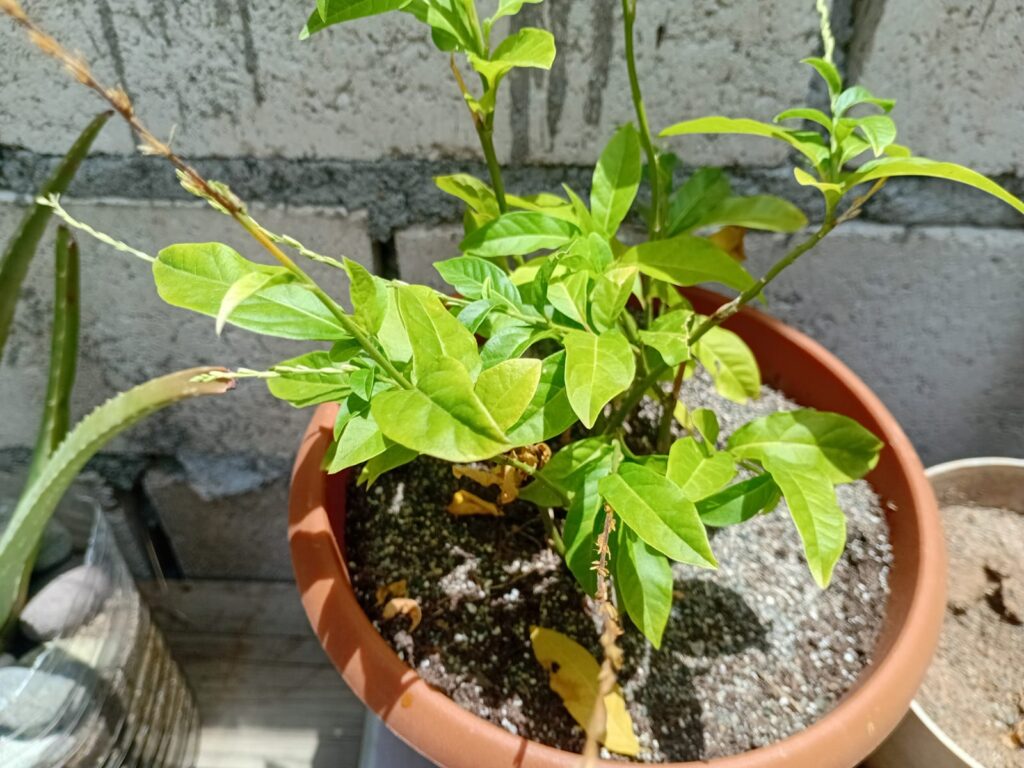
The Traditional Role of Guinea Hen Weed in Caribbean Wellness
Guinea Hen Weed, known in Jamaica simply as “guinea hen weed” and in other parts of the Caribbean as apacin or mucura, is a deeply respected plant in traditional herbal wellness practice across the region.
Herbalists and home practitioners have long used it as part of teas and bush baths, particularly during the cold and flu season. Its powerful, pungent smell is unmistakable. It smells a little garlicky, a little earthy, and that aroma alone tells you this is not a delicate flower. This is a serious herb with serious tradition behind it.
Simple Tea Preparation
Fresh Guinea Hen Weed tea is strong, so begin small. Use 2 to 3 fresh leaves, wash them well, and steep in hot (not boiling) water for about 10 minutes. Some people add a small piece of ginger or a cinnamon stick to balance the flavour. Start with one small cup and see how your body responds. A little goes a long way with this herb.
Note: Because of its potency, Guinea Hen Weed is traditionally used in small amounts and for short periods. If you are pregnant, nursing, or managing a health condition, please speak with a healthcare provider before adding any new herbal preparation to your routine.
Container Growing Notes:
Guinea Hen Weed grows well in containers and thrives in tropical and subtropical conditions, perfect for anyone gardening in the Caribbean or in a warm climate. It prefers well-drained soil, full sun, and does not require much fussing. Give it a medium-to-large container, water regularly without overwatering, and it will establish itself with confidence. It is not the prettiest plant on the veranda, but it earns its place.
Diaspora Option:
Search Amazon for Guinea Hen Weed loose-leaf dried herb, often listed under the name Petiveria alliacea. Several Caribbean and diaspora herbal brands sell this herb dried, and it brews well in this form. Look for reputable sellers with clear ingredient lists and good reviews from buyers who know the herb.
3. Scallion (Allium fistulosum)
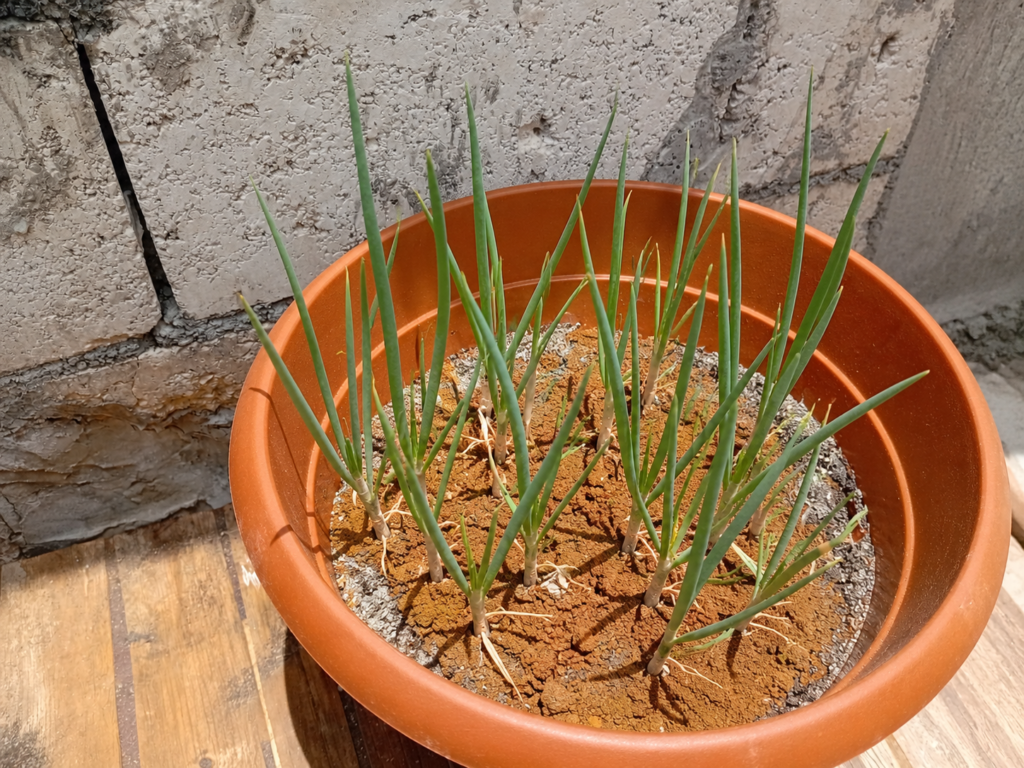
The Traditional Role of Scallion in Caribbean Wellness
Most people think of scallion as a kitchen ingredient, and in Caribbean cooking, it absolutely is. However, in traditional Jamaican wellness practice, scallion tea has its own quiet reputation. Herbalists have long used it as a warming, soothing tea, particularly for respiratory discomfort and congestion.
Paired with other herbs like ginger, turmeric, or mint, scallion becomes part of a powerful home remedy tradition that generations of Caribbean families have relied on.
Simple Tea Preparation
For scallion tea, use the whole stalk (root base included) of about 3 to 4 scallion stalks. Wash well, bruise gently with the flat of a knife to release the oils, and add to a pot with 2 cups of water. Bring to a simmer and let it go for 10 to 12 minutes. Strain, add fresh ginger slices and a squeeze of lime, and sweeten lightly with honey. I sometimes brew it with Thyme to get rid of congestion. This is a hearty, savoury-adjacent tea that is deeply warming from the inside out.
Container Growing Notes:
Scallions are one of the most practical container crops you can grow. Plant in a wide, shallow container filled with rich, well-draining soil. You can start from seed or, even easier, from the root ends of scallions you have already used in cooking. Just place the root end in moist soil and watch it regenerate. Scallions love consistent moisture and are partial to full sun. In Jamaica’s climate, you can harvest continuously just by snipping what you need and leaving the roots to keep growing. One good container of scallions gives you both a culinary staple and a wellness ingredient on demand.
Diaspora Option:
Fresh scallions are widely available in most grocery stores internationally, so sourcing this herb is rarely a problem for the diaspora. However, if you want a dried form for convenience, search Amazon for dried green onion or dried scallion, which retains the aromatic compounds well and can be used for tea.
4. Blue Vervain (Stachytarpheta jamaicensis)
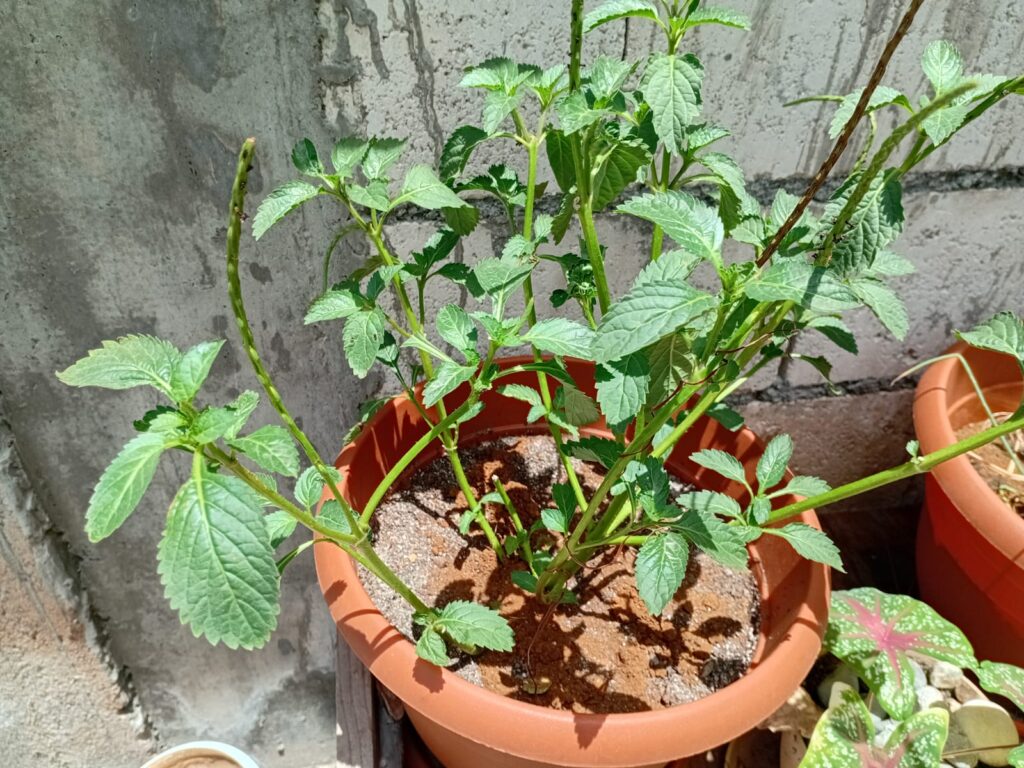
The Traditional Role of Blue Vervain in Caribbean Wellness
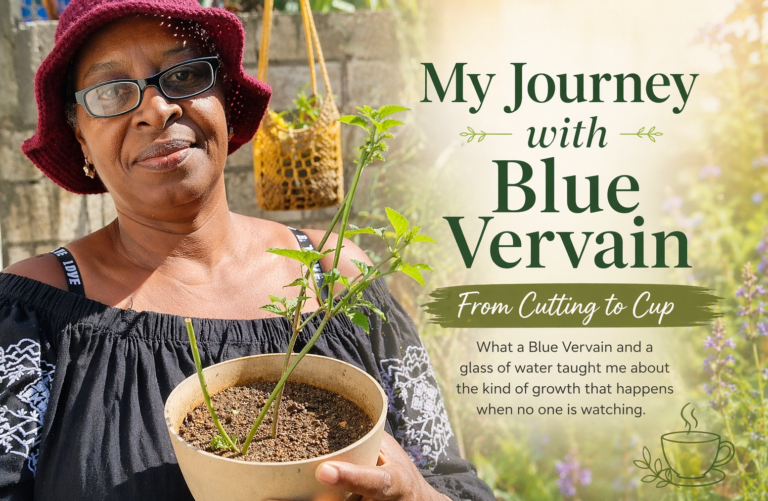
Blue Vervain or Stachytarpheta jamaicensis is one of those plants that feels deeply Jamaican to me. It grows wild along roadsides and field edges across the island, and in traditional wellness practice, it has long been used to support calm and ease tension.
A cup of Blue Vervain tea in the evening carries a particular kind of quiet with it. Many people in Caribbean herbal tradition reach for it when they feel overwhelmed, anxious, or are struggling to settle down at the end of a long day. It has a mild, slightly bitter, earthy flavour that is grounding in the most literal sense of the word.
Simple Tea Preparation
Use a small handful of fresh Blue Vervain leaves and stems, about 4 to 5 sprigs. Steep in freshly boiled water, covered, for 10 to 15 minutes. The longer you steep, the more pronounced the bitterness, so start at 10 minutes and adjust to your taste. A little honey softens the edge beautifully. Sip this tea in the evening, slowly, as part of an intentional wind-down ritual.
Container Growing Notes
Blue Vervain grows readily from cuttings and does very well in containers. In Jamaica, it thrives almost effortlessly, given it a medium to large pot, well-draining soil, and full to partial sun. It is drought-tolerant once established, though it appreciates regular watering. Blue Vervain will reward you with those distinctive small purple flower spikes that are beautiful in their own quiet way. This plant does not demand much, and it gives a great deal in return.
Diaspora Option:
Search Amazon for Blue Vervain dried herb loose leaf. It is increasingly available through Caribbean herbal brands and general herbal tea suppliers. You may also find it listed as Jamaican Blue Vervain or Stachytarpheta jamaicensis. Look for suppliers who specialise in Caribbean or tropical herbs, as they tend to source and handle this particular plant with more care and knowledge.
5. Cerasse (Momordica charantia)
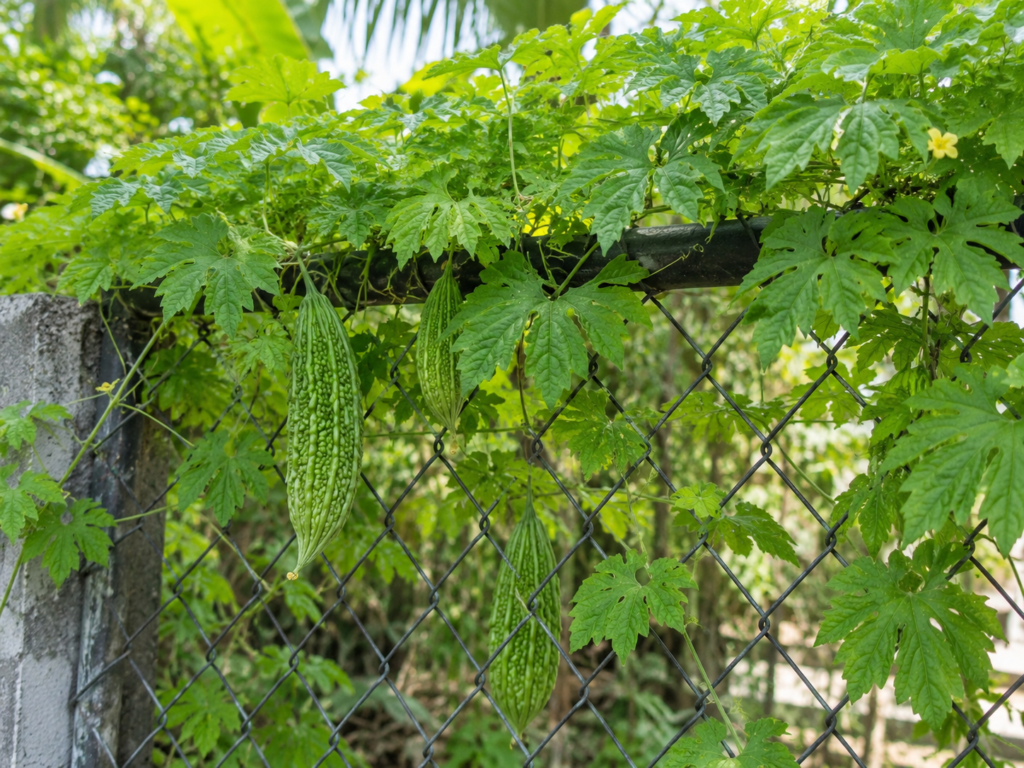
The Traditional Role of Cerasse in Caribbean Wellness
Cerasse, the wild Caribbean bitter melon, might be the most culturally iconic herbal tea in Jamaica. If you grew up Jamaican, you know this tea. You were probably given it as a child, whether you wanted it or not, because mothers/grandmothers across the island knew it as a powerful cleansing herb used in traditional wellness practice for generations.
The bitterness is legendary and deliberate. In traditional use, Cerasse tea has been made as a periodic cleansing brew, and it remains one of the most recognisable and beloved herbs in the Jamaican herbal tradition.
Simple Tea Preparation
Cerasse grows as a vine and is typically harvested wild or sourced from market vendors. Use a good handful of fresh or dried Cerasse, add to a pot with 3 to 4 cups of water, and bring to a boil, then reduce and simmer for 15 to 20 minutes. The tea will be deeply green and very bitter. Strain well and sweeten with honey if desired. Sip slowly and with intention. This is not a casual sip; it is a ritual.
Note: As with Guinea Hen Weed, Cerasse is a potent herb used traditionally in measured amounts. It is not recommended during pregnancy. If you have any health concerns, please consult a healthcare provider.
A Note on Growing Cerasse:
Cerasse grows as a wild climbing vine and is typically sourced rather than cultivated. It can be sourced from roadside growth in Jamaica, from market vendors, or from growers in Caribbean communities. For this reason, container growing notes are not included here. If you are in Jamaica or the wider Caribbean, you likely know where to find it. If you are in the diaspora, sourcing is the key step.
Diaspora Option:
Search Amazon for Cerasee dried herb. Several Jamaican and Caribbean herbal brands export Cerasse tea, and it is one of the easier Caribbean herbs to find online. Look specifically for Jamaican brand sellers who pack it at source, as the quality tends to be closer to what you would get fresh.
Bringing It All Together: Your Container Garden Tea Ritual
You do not need a sprawling garden to live a wellness life rooted in Caribbean tradition. You need intention, a few good pots, and the willingness to connect with plants that have been trusted for generations.
Start with one or two of the herbs above. Maybe mint because it is the easiest, or Blue Vervain because something about evening calm is calling to you right now. Tend them. Brew from them. Notice how it feels to make your own tea from something you grew with your own hands.
And if growing is not where you are right now? Order the dried versions. They are real herbs with real tradition behind them. The diaspora has always found ways to stay connected to home, and herbal tea is one of the most beautiful of those threads.
| 🌿 Growing plants for wellness in small spaces? I created a free Herbal Tea Starter Guide with the exact teas I drink and how I brew them gently at home. 👉 Download it here. |
Final Thoughts
Container garden herbal teas are not a trend. They are a living tradition, rooted in generations of knowledge, adapted for every kind of space and circumstance, and available to anyone willing to slow down and brew a cup with care.
These five herbs, Green Mint, Guinea Hen Weed, Scallion, Blue Vervain, and Cerasse, are some of my most-loved and most-used. They sit in my containers, they come off the vine from trusted vendors, and they find their way into my cup on the mornings and evenings when I most need to feel grounded.
May your garden grow, and may your cup always be full of something good. With love from Kingston, Jamaica. Gillian aka Queen Gee | Instagram
Affiliate Disclaimer: This post contains affiliate links. If you purchase through them, I may earn a small commission at no extra cost to you. I only recommend products I genuinely believe in and that align with my wellness values.